Hey there! I’m a supplier in the switchgear game, and today I wanna chat about how switchgear handles overloads. It’s a crucial topic, especially for those in the electrical industry, and I’m stoked to share my insights. Switchgear

First off, let’s get clear on what an overload is. An overload happens when there’s more current flowing through a circuit than it’s designed to handle. This can be due to a bunch of reasons, like too many devices being plugged in at once, a short – circuit, or a malfunctioning piece of equipment. When an overload occurs, it can cause all sorts of problems, from overheating wires to equipment damage and even electrical fires. That’s where switchgear comes in.
Switchgear is like the traffic cop of an electrical system. It controls, protects, and isolates electrical equipment. There are different types of switchgear, such as low – voltage, medium – voltage, and high – voltage switchgear, but they all have one main job when it comes to overloads: to keep things safe.
One of the key components in switchgear for handling overloads is the circuit breaker. Circuit breakers are designed to automatically trip when they detect an overload. They work by using a mechanism that senses the current flowing through the circuit. When the current exceeds a certain pre – set limit, the circuit breaker interrupts the flow of electricity.
There are two main types of circuit breakers commonly used in switchgear: thermal and magnetic. Thermal circuit breakers use a bimetallic strip. When the current gets too high, the strip heats up and bends. This bending action causes the breaker to trip, cutting off the power. Magnetic circuit breakers, on the other hand, use an electromagnet. When the current reaches a high enough level, the magnetic field generated by the electromagnet is strong enough to pull a latch, which trips the breaker.
Another important part of switchgear for overload protection is the fuse. Fuses are simple but effective devices. They consist of a metal wire or strip that melts when the current passing through it is too high. Once the fuse melts, the circuit is broken, and the flow of electricity stops. Fuses are often used in combination with circuit breakers for an extra layer of protection.
Now, let’s talk about how switchgear is designed to handle different levels of overloads. For short – term overloads, switchgear can tolerate a certain amount of extra current for a short period. This is because electrical systems often experience temporary spikes in current, like when a large motor starts up. The circuit breakers and fuses are calibrated to allow these short – term overloads without tripping immediately.
However, for long – term overloads, switchgear needs to take action. If the current remains above the rated level for an extended period, the switchgear will trip to prevent damage. The time it takes for the switchgear to trip depends on the severity of the overload. A small overload might take a few minutes or even hours to cause the switchgear to trip, while a large overload could cause an almost immediate trip.
In addition to circuit breakers and fuses, modern switchgear also uses advanced monitoring and control systems. These systems can continuously monitor the current, voltage, and other electrical parameters in the circuit. They can detect an overload early and send alerts to operators. Some of these systems can even automatically adjust the operation of the switchgear to prevent an overload from occurring in the first place.
For example, if the monitoring system detects that the current is approaching the overload limit, it can send a signal to reduce the load on the circuit. This could involve shutting down non – essential equipment or redistributing the load to other circuits.
As a switchgear supplier, I know how important it is to have reliable switchgear that can handle overloads effectively. We spend a lot of time testing and developing our products to ensure they meet the highest standards of safety and performance. Our switchgear is designed to be durable, easy to maintain, and able to handle a wide range of electrical conditions.
When you’re choosing switchgear for your electrical system, there are a few things to keep in mind. First, you need to consider the voltage level of your system. Different applications require different types of switchgear, so make sure you choose the right one for your needs. Second, think about the amount of current your system will typically carry and the potential for overloads. You want to select switchgear with a suitable rating to handle these conditions.
If you’re in the market for switchgear, I’d love to have a chat with you. Whether you’re working on a small residential project or a large industrial installation, we have the expertise and products to meet your requirements. Our team of experts can help you choose the right switchgear for your specific needs and provide you with all the support you need during the installation and operation process.
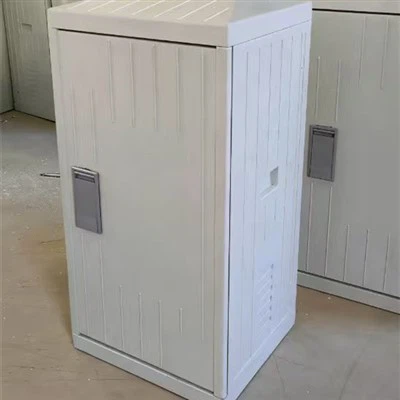
So, if you’re interested in learning more about our switchgear or have any questions about how it handles overloads, don’t hesitate to reach out. We’re here to make sure your electrical system is safe, reliable, and efficient.
Outdoor Prefabricated Enclosed Ring Main Unit References:
- Electrical Equipment Handbook: A Guide for Design, Specification, and Application
- Power System Protection and Switchgear by J.C. Das
Huachi Electric Co., Ltd.
We’re well-known as one of the leading switchgear manufacturers in China, featured by quality products and good service. Please rest assured to buy customized switchgear made in China here from our factory. Contact us for more details.
Address: Plastic Park, Tongyu Street, Luqiao District, Taizhou City, Zhejiang Province
E-mail: HCDQ2026@163.com
WebSite: https://www.huachi-electric.com/
