Can UL PV Wire be used in high – humidity environments?
As a seasoned supplier of UL PV wire, I’ve been frequently asked whether our product is suitable for high – humidity environments. This is a crucial question, especially considering the diverse range of applications and climates where photovoltaic systems are installed. In this blog, I’ll delve into the technical aspects, performance, and real – world experiences to provide a comprehensive answer. UL PV Wire
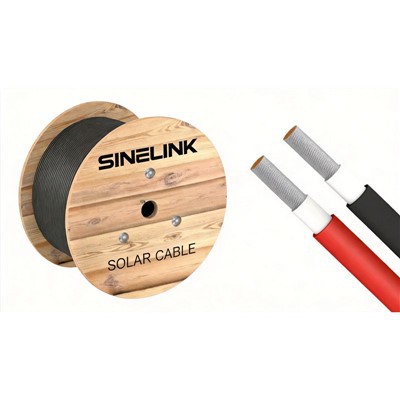
Understanding UL PV Wire
UL PV wire, recognized by Underwriters Laboratories (UL), is specifically designed for photovoltaic systems. It is engineered to endure a variety of environmental conditions, including extreme temperatures, UV radiation, and mechanical stress. UL 4703 is the standard that governs the safety and performance requirements for these wires, ensuring that they meet strict electrical and physical criteria.
The construction of UL PV wire typically involves a cross – linked polyethylene (XLPE) insulation material. Cross – linking is a process where the polymer chains in the insulation are chemically bonded, creating a three – dimensional network. This cross – linked structure enhances the wire’s resistance to heat, abrasion, and chemicals. The conductors are usually made of high – purity copper, which offers excellent electrical conductivity and low resistance, minimizing power losses.
Challenges in High – Humidity Environments
High – humidity environments present several challenges for electrical wiring. Moisture can penetrate insulation materials, leading to a decrease in insulation resistance. This can cause stray electrical currents, which may result in power losses, overheating, and even short – circuits. Moreover, humidity can accelerate the corrosion of conductors, reducing their conductivity and potentially leading to system failures.
In addition to these electrical issues, high humidity often means a higher likelihood of mold and mildew growth. These biological agents can degrade the insulation material over time, compromising its integrity and safety. The presence of water droplets can also cause mechanical stress on the wire, especially if they freeze and expand in cold conditions.
Performance of UL PV Wire in High – Humidity
Despite the challenges, UL PV wire is engineered to perform well in high – humidity environments. The XLPE insulation provides an excellent moisture barrier. The cross – linked structure of the XLPE is highly resistant to water absorption, preventing moisture from reaching the conductors. This helps to maintain the insulation resistance and electrical performance of the wire over a long period.
In laboratory tests, UL PV wire has been shown to retain its electrical properties even when exposed to high humidity for extended periods. The insulation resistance remains well within the acceptable range, indicating that the wire can effectively prevent moisture – induced electrical problems.
Moreover, the use of high – quality copper conductors and proper manufacturing processes reduces the risk of corrosion. The copper is often coated or treated to enhance its resistance to oxidation and moisture. This ensures that the electrical conductivity of the wire remains stable, even in humid conditions.
Real – World Applications
There are numerous real – world examples of UL PV wire being used successfully in high – humidity environments. Coastal areas are known for their high humidity, as the proximity to the ocean leads to a consistently moist atmosphere. Many photovoltaic installations in these regions rely on UL PV wire to connect solar panels to inverters and other components.
In addition, tropical regions with high rainfall and humidity also use UL PV wire extensively. These areas often experience high levels of humidity throughout the year, along with frequent thunderstorms and heavy precipitation. The ability of UL PV wire to withstand these conditions is crucial for the reliable operation of solar power systems.
Installation and Maintenance Considerations
While UL PV wire is designed to perform well in high – humidity environments, proper installation and maintenance are essential. During installation, it is important to ensure that the wire is properly protected and sealed. This includes using appropriate conduit systems, cable glands, and junction boxes to prevent moisture from entering.
Regular maintenance is also necessary to detect and address any potential issues. Inspections should include checking for signs of moisture ingress, such as water droplets inside the conduit or junction boxes, as well as corrosion of the conductors. If any problems are found, they should be addressed immediately to prevent further damage.
Comparison with Other Wires
When compared to other types of electrical wires, UL PV wire has several advantages in high – humidity environments. Standard electrical wires may not have the same level of moisture resistance as UL PV wire. Their insulation materials may be more prone to water absorption, which can lead to premature failure in humid conditions.
Flexible cords, for example, are often made of materials that are less resistant to moisture and UV radiation. In high – humidity and high – sunlight environments, these cords can degrade quickly, posing a safety risk. UL PV wire, on the other hand, is designed to withstand these harsh conditions, providing a more reliable and long – lasting solution.
The Future of UL PV Wire in High – Humidity Applications
As the demand for solar energy continues to grow, the need for reliable wiring solutions in high – humidity environments will also increase. We are constantly investing in research and development to improve the performance of our UL PV wire. This includes exploring new insulation materials and manufacturing processes that can further enhance the wire’s resistance to moisture, corrosion, and other environmental factors.
In addition, we are working closely with installation contractors and system designers to ensure that our products are installed and used correctly. By providing comprehensive technical support and training, we aim to minimize the risk of problems and ensure the long – term reliability of solar power systems in high – humidity areas.
Conclusion
In conclusion, UL PV wire is indeed suitable for use in high – humidity environments. Its advanced insulation materials, high – quality conductors, and compliance with strict safety standards make it a reliable choice for photovoltaic systems in these challenging conditions. However, proper installation and maintenance are crucial to ensure its optimal performance and longevity.
TUV Solar Cable If you’re planning a photovoltaic project in a high – humidity area, or if you have any questions about our UL PV wire, I encourage you to reach out to us. Our team of experts is ready to provide you with the information and support you need. We look forward to discussing your requirements and helping you find the best wiring solution for your solar power system.
References
- UL 4703 Standard for Safety for Photovoltaic Cables
- Technical literature on cross – linked polyethylene insulation materials
- Case studies of photovoltaic installations in high – humidity regions
Tianjin Xilingke New Energy Technology Co., Ltd.
As one of the most professional ul pv wire manufacturers and suppliers in China, we’re featured by quality products and low price. Please rest assured to wholesale durable ul pv wire made in China here from our factory. For quotation, contact us now.
Address: Suite 2601, Tower B, Wanghai International, Haihe East Road, Hebei District, Tianjin, China.
E-mail: robin@sinelinkev.com
WebSite: https://www.sinelinkenergy.com/
