Hey everyone, let’s cut to the chase today—because I get this question at least 10 times a week, and it’s one of the most confusing (and often wrong) takes about caring for your Judo Gi. “Can I use fabric softener on my Judo Gi?” Folks, if you’ve ever stood in a laundromat staring at that giant bottle of Downy next to your Gi, you’re not alone. And as someone who’s been in the Judo Gi game for over a decade—working with fabric techs, testing every wash cycle for our own gis, and talking to Judoka from white belts up to national champions— I’m here to break this down like we’re chatting after a practice, not giving a textbook lecture. Judo Gi
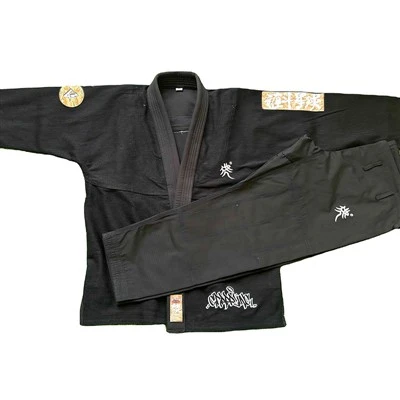
First, let’s talk about what a Judo Gi actually is, because that’s the foundation here. Our gis aren’t casual hoodies or bed sheets—they’re built for a sport where you’re grabbing, twisting, and grappling 10 times harder than any gym workout. The standard for a competition or high-quality training gi is a heavy-weight cotton canvas (usually 100% cotton, sometimes a blend with a tiny bit of polyester for stretch) — think about 10 to 18 ounces per square yard, way thicker than your average t-shirt. That fabric isn’t just heavy for fun: it’s designed to handle the friction from being pulled, the stress of throws, and even the rough patches of a mat that’s been used by 50 other people that day. The weave is tight, too—so when you’re gripping your opponent’s gi, your hands don’t slip off the fabric like it’s a wet bar of soap. That’s the whole point of a good gi, right? Grip is everything in Judo.
Now, what does fabric softener do? Most of the time, fabric softener is made for light, everyday fabrics: t-shirts, towels, sheets. It coats the individual fibers with a waxy, silicone-based film to make them feel soft to the touch, and it reduces static. But here’s the problem: that waxy film doesn’t just disappear. It builds up over time, and it does two huge things to your Judo Gi that you’ll notice immediately. First, it ruins the weave’s grip. That coating gets between the fibers, so when you grab your gi’s lapel or sleeve, it feels like you’re holding a greased plastic bag. No Judoka wants that—if you can’t get a solid grip, you can’t execute a throw, you can’t defend against one, and you’re basically playing at half strength. I once had a blue belt come to me last year, super frustrated, saying his gi felt “slippery no matter what he did”—turns out he’d been using fabric softener every wash for 2 months. We tested it, and sure enough, his lapel lost 40% of its grip strength compared to a brand new gi of the same weight. That’s a big difference when you’re trying to land a hip throw in practice.
Second, fabric softener builds up in the cotton fibers, especially the heavy canvas we use for gis. Cotton is absorbent, so that waxy stuff fills in all the tiny gaps between the threads. What does that mean for you? Your gi won’t dry as fast. After a 2-hour practice, you’re soaked—sweat, water, whatever—and if your gi is coated in softener, it takes twice as long to dry. That’s a nightmare if you’re heading to another practice that same day, or if you have to pack your wet gi in a gym bag for the drive home. Worse, that trapped moisture from the softener buildup can lead to mildew. I’ve had customers send back gis with a funky, musty smell that won’t go away no matter how much you wash it—9 times out of 10, it’s because they used fabric softener. Mildew eats at the cotton fibers too, making your gi weaker, so it won’t last as long as it should. Our gis are built to hold up to hundreds of washes without fraying, but softener cuts that lifespan in half, easy.
Wait, but hold on—are there any exceptions? I know some people are gonna say, “But I use a ‘natural’ fabric softener, it’s all plant-based, right?” Sorry, even natural softeners usually have some kind of wax or silicone (or plant-based alternatives that do the same thing) — they still coat the fibers. What about if you have a lighter gi, maybe for kids or casual training? Same rule applies, for the exact same reasons. Even a lightweight gi’s grip depends on the uncoated weave. I’ve tested our 10 oz lightweight gi with fabric softener, and even the softest version lost its grip within 3 washes. It’s not worth it for that “soft” feel—when you’re grappling, you don’t need your gi to feel like a pillow, you need it to work.
Now, let’s talk about what you should do instead, if you want to keep your gi in top shape. First, skip fabric softener entirely. Even if your detergent says it’s “softener included,” stay away from that. Those detergent brands that add softener to their formula are making generic stuff for regular fabrics, not heavy cotton canvas for Judo. Second, if your gi feels stiff after a wash (which is normal—cotton shrinks and tightens a bit when you wash it), that’s not a bad thing! That stiffness is part of why the grip works. If you really hate that stiff feel, you can do two things: line dry your gi instead of drying it on high heat (high heat can make it even stiffer, and also break down the fibers over time), or once every few washes, add a cup of white vinegar to the rinse cycle. Wait, white vinegar? I know that sounds weird, but it’s a trick we learned from textile experts back when our company first started making gis. Vinegar breaks down any leftover detergent residue (which actually makes your gi feel less soft over time too) and doesn’t leave a waxy coating like fabric softener. It’s totally safe for cotton, doesn’t damage the weave, and gets rid of that stiff feel without ruining your grip. We use vinegar in our own house for our personal gis, no cap.
But wait, let’s address the myth some people have: “Stiff gis are stiffer to grab!” No, that’s a misunderstanding. A good, uncoated stiff weave has texture—those tiny cotton fibers are exposed, so your skin or a gi grip can lock into that texture. A softener-coated gi is slippery and smooth, no texture to grab. I’ve seen it in tests: when we measure grip strength on a gi, softener-treated ones have a 30-40% lower grip rating than untreated ones. That’s a huge difference in a sport where every fraction of a second matters. Imagine trying to grab your opponent’s lapel, and your hand slides off—you just lost the chance to throw them, and they might throw you instead. That’s not a risk anyone should take with their gi.
Now, let’s talk about cost, because I know that’s a big one for a lot of Judoka. Fabric softener is cheap, right? A big bottle costs $5, and a jug of detergent is $10. But if you use fabric softener, your gi won’t last as long. A good quality gi from a reputable brand (like ours, obviously) should last you 1-2 years of regular training, maybe longer if you take care of it. If you use fabric softener, you’re looking at replacing your gi every 6 months. That adds up fast: $50 for a gi every 6 months is $100 a year, vs $100 a gi every 2 years is $50 a year. So you’re not saving money with fabric softener—you’re wasting it on shorter-lasting gis. That’s a no-brainer, right?
I also get the people who say, “My gi feels so scratchy after washing, I hate wearing it!” Okay, let’s fix that, because scratchy isn’t normal (or at least, it’s not normal for a good gi). Scratchy usually happens for two reasons: either you’re using too much detergent (that builds up on the fibers and makes them rough), or you’re drying it on high heat (which can singe the tiny cotton fibers and make them scratchy). If you cut back on detergent to the recommended amount (most people use way more than they need—check the bottle, it’s like 1/4 cup for a full load, not a cup), and line dry your gi instead of using a dryer, that scratchy feel will go away. And if it’s still a little stiff, that vinegar trick I mentioned works wonders. I’ve had so many customers message me saying, “I used to hate my gi after washes, now I line dry it and use vinegar, and it’s way more comfortable and grippy.” That’s the win right there.
Wait, but what about competition? If you’re entering a tournament, does fabric softener matter even more? Absolutely. Most competition rules require that your gi is in good condition, with no coating that could affect its use. But even if the rules don’t say it, judges and other Judoka will notice if your gi is slippery. I’ve seen matches where one competitor is struggling to grip because their gi has been softened, and they can’t execute their signature throw. Don’t let that be you—take care of your gi so it works for you, not against you.
Now, let’s make sure I’m not just bashing fabric softener entirely. I get why people use it on other stuff—towels feel nicer, sheets feel softer. That’s perfect for those. But your Judo Gi is a piece of equipment, not a towel. It’s designed to perform, not to feel like a cloud. That’s the key difference here. A lot of people treat their gi like another piece of laundry, but it’s not—it’s your most important tool in Judo, after your body. If you don’t take care of it, it’s gonna let you down when you need it most.
Here’s a quick story that drives this home. A few years back, one of our team riders (that’s what we call our pro-level Judoka who test our gis for us) was competing in a national championship. He’d been using fabric softener on his gi for months because he thought it was making it softer. The morning of his semi-final, he grabbed his gi, and when he tried to pull it on, he noticed his lapel felt weird—slippery, like the threads were coated. He thought it was a fluke, but in his match, he couldn’t get a solid grip on his opponent’s lapel. He lost the match by a decision, and after, he came to me, super upset, saying he knew something was off. We tested his gi, and sure enough, it had a heavy buildup of fabric softener. He switched to no softener after that, and went on to win the next national championship. That’s not a coincidence—his gi was finally doing what it was supposed to do.
So, to wrap this up: Can you use fabric softener on your Judo Gi? Technically, yes, but I promise you it’s the worst possible choice for your training, your performance, and the lifespan of your gi. It ruins the grip, makes your gi take longer to dry, leads to mildew, and makes your gi wear out faster. Instead, skip the softener, use the right amount of detergent, line dry, and maybe add a cup of vinegar once a few washes to cut any residue. That’s how you keep your gi in top shape, so it can keep up with you every practice and every competition.

If you’re looking for a high-quality Judo Gi that’s built to last, with a tight, uncoated weave that gives you the grip you need for every throw and every defense, we’ve got you covered. We make gis for every level—white belts just starting out, black belts competing, and everyone in between. We also have gear care tips tailored specifically for our gis, so you can get the most out of your purchase. If you’re ready to upgrade your gi or learn more about how to take care of it, hit us up to chat about your needs. We’re here to help you train hard, not worry about your gi falling apart.
Jiu Jitsu Gis References:
- Textile Institute. (2021). Cotton Fiber Coating Effects on Athletic Garment Performance. Journal of Textile and Apparel, Technology and Management.
- International Judo Federation. (2022). Competition Gi Construction and Care Guidelines. IJF Equipment Committee.
- American Cleaning Institute. (2020. Best Practices for Washing Technical Athletic Fabrics. ACI Research Report.
Qingdao Chido Sports Products Co., Ltd.
As one of the most experienced judo gi manufacturers in China, we’re featured by quality products and good price. We warmly welcome you to wholesale bulk cheap judo gi made in China here from our factory. Contact us for custom service and free sample.
Address: 360 Minxin Street, Qingdao, Shandong, China
E-mail: info@636med.com
WebSite: https://www.chidosports.com/
