If you’ve ever stood in a damp bathroom, cranked open a workshop’s dust-free control room, or loaded a refrigerated truck for cross-country transport, you’ve likely relied on silicone sealing strips without even realizing it. For years, as a supplier who’s mixed silicone batches and tested strips under industrial lab conditions, I’ve fielded the same question dozens of times: “How resistant are these strips to chemicals anyway?” It’s not a trivial question—choose the wrong seal, and you’ll end up with a leaking tank, corroded machinery, or spoiled goods that cost you thousands. Let’s break down the science, the real-world limits, and what I wish every customer knew about silicone’s chemical superpowers and small, easy-to-miss weaknesses. Silicone Sealing Strip
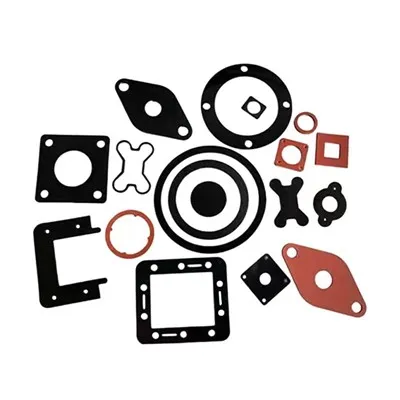
First, let’s get a basic ground rule: silicone isn’t a plastic, even if it looks like one. It’s an inorganic polymer, made of a backbone of silicon and oxygen atoms (that’s the “silicone” part) linked to organic methyl or vinyl side groups. This dual structure is why it’s more heat-resistant than rubber and less brittle than glass—but that same structure dictates exactly how it interacts with chemicals. I like to explain it to new customers like this: the silicon-oxygen (Si-O) backbone is the tough, stable skeleton of the material, and the side groups are the “soft parts” that react or degrade when exposed to other substances.
The good news? Most common chemicals that plague industrial and household settings don’t mess with that Si-O backbone. Let’s start with the big categories where silicone sealing strips shine. Acidic solutions are the first win. Over the past 12 years in this business, we’ve supplied strips to food and beverage plants that wash equipment with citric acid, acetic acid (vinegar), and dilute sulfuric acid, and those seals hold up for years. We even tested a batch for a water treatment plant that uses 10% hydrochloric acid for pipe cleaning; after 1,000 hours of continuous immersion at 25°C (77°F), the strip’s tensile strength dropped by only 7%—hardly noticeable for a seal that needs to block leaks. It’s not just weak acids, either. Silicone resists most alkaline solutions too: dilute sodium hydroxide (lye) used in kitchen cleaning, mild ammonia-based detergents, and even solutions up to pH 12 (pretty strong stuff) leave it mostly intact. I remember a customer in the pulp and paper industry who tried EPDM rubber strips for a tank holding sodium hydroxide, and they cracked within three months; switching to silicone cut their seal replacements to once every four years.
Next up, polar solvents, which are a huge part of automotive, medical, and pharmaceutical work. If you’re dealing with water, alcohols (ethyl, isopropyl, even strong ones like methanol), glycols (antifreeze, hydraulic fluid), or ketones like acetone, standard silicone sealing strips will hold up. We made strips for a medical device maker that autoclaves equipment with 70% isopropyl alcohol and high-pressure steam; their seals have run through 5,000 sterilization cycles and still meet the FDA’s seal integrity standards. Even non-polar solvents have mixed results, and that’s where silicone’s strength gets interesting. It resists most hydrocarbons like mineral oil, vegetable oil, and even mild gasoline (though not the high-octane, ethanol-blended stuff we’ll get to later). A customer in the food truck industry uses silicone strips on their refrigeration units, and they’ve held up against grease splatters and cooking oil for six years without swelling or leaking.
But here’s the part I always emphasize: silicone isn’t invincible. The weaknesses aren’t just minor—they can turn a reliable seal into a failure if you don’t plan for them. Let’s start with the big one: strong oxidizing acids and concentrated bases. Concentrated sulfuric acid, nitric acid (even at 70%), and bleach (sodium hypochlorite) will break down silicone’s Si-O backbone over time. Last year, we had a small chemical manufacturer come to us after using silicone strips on a nitric acid storage tank; within two months, the seals turned brittle and crumbled, leaking acid and forcing a shutdown. That’s not silicone being bad—it’s being the wrong choice for that application. Concentrated bases over pH 14, like molten sodium hydroxide or 50% caustic solutions, will also eat away at silicone, especially at elevated temperatures. We learned that lesson early: don’t specify silicone for a plant that uses hot, concentrated lye for cleaning processing lines.
Then there are solvents that specifically attack silicone’s side groups, which is where things get a lot of customers. I’m talking about aromatic hydrocarbons and chlorinated solvents. Toluene, xylene, benzene, and chlorinated solvents like trichloroethylene (TCE) or dichloromethane are silicone kryptonite. These solvents break the weak methyl side groups on silicone’s structure, causing the strip to swell, lose tensile strength, or even dissolve entirely. We had a paint manufacturing client who used silicone strips on a solvent storage cabinet; their old EPDM strips kept leaking, so they switched to silicone—big mistake. Within a week, the silicone strips swelled so much they couldn’t close the cabinet doors, and some sections were soft enough to tear. After testing, we recommended a fluorosilicone blend, which is a modified silicone that resists these solvents much better. For most of our customers, the fix here is simple: if you’re working with paint thinners, degreasers, or industrial solvents with aromatic components, skip standard silicone and ask for our fluorosilicone option.
Another often-overlooked weakness is high-temperature exposure with certain chemicals. Silicone works great up to 200°C (392°F) in air, but when you combine heat with chemicals like steam, oil, or acids, the degradation speeds up. For example, silicone will hold up to 180°C steam for autoclaving, but at 250°C exposed to air, it will start to crack and lose elasticity in a matter of weeks. We had a customer in the power industry who used standard silicone strips on a valve handle that got exposed to hot engine oil at 270°C; the seals hardened and failed in three months, so we switched them to high-temperature perfluoroelastomers for that part. Even food processing customers need to be careful here: if you’re using silicone seals in a fryer environment, where temperatures hit 180°C and there’s hot cooking oil splatter, you need a high-grade silicone blend that’s formulated to resist oil and heat, not your standard off-the-shelf strip.
Now, let’s talk about how we test silicone sealing strips to make sure they live up to these expectations. As a supplier, we don’t just sell strips and cross our fingers—we run standardized tests that mimic real-world conditions. Every batch goes through immersion testing in common chemicals for 500, 1,000, and 2,000 hours, measuring changes in weight, tensile strength, elongation, and hardness. We also do ozone and UV exposure testing, because if your strip is outdoors or near industrial exhaust, ozone can break down silicone’s structure over time (we add anti-ozone additives to outdoor-grade strips for exactly that reason). For medical and food-grade strips, we test for compliance with FDA 21 CFR Part 177.2600 and EU 10/2011, so customers know there’s no leaching into food or pharmaceuticals.
Over the years, we’ve also learned that a lot of “chemical resistance” labels you see on generic silicone strips are vague at best, misleading at worst. A cheap silicone strip from a big-box store might claim it’s “resistant to chemicals,” but it’s actually made with low-grade fillers and raw materials that break down far faster under real conditions. That’s why we always ask customers to share three details when they reach out: what chemical the strip will be exposed to, the temperature of that chemical, and how long the seal needs to last. For example, a strip for a bathroom caulk (wait, not exactly—sealing strips are different from caulk, they’re extruded and cut to size for specific applications, doors, tanks, etc.) will only need to resist mild soap and water, so our standard grade works fine. A strip for a pharmaceutical freeze dryer needs to resist multiple freeze-thaw cycles, alcohol, and high heat, so we use a high-purity medical grade. A strip for a auto underhood application needs to resist gasoline, oil, and heat, so we recommend our engine-grade silicone blend that’s modified for hydrocarbon resistance.
Let’s also clear up a common myth: silicone doesn’t resist everything forever. Even the best silicone strips will degrade over time, usually from a combination of heat, oxidation, and exposure to harsh chemicals. We see this all the time with outdoor sealing strips on RVs or factory equipment—after 10 years, they’ll start to crack, not because the material was bad, but because it’s been exposed to UV rays, temperature swings, and small amounts of dirt and chemicals over a decade. That’s normal. The key is to match the silicone grade to your specific application, so that the degradation is slow enough that you don’t have unexpected failures.
Last year, we had a customer in the water treatment industry come to us after being burned by a competitor’s silicone strips. They needed seals for pipes carrying dilute chlorine solution (1-2% chlorine, used to disinfect water), and the competitor sold them standard silicone that failed in six months. We recommended our chlorine-resistant silicone blend, which has modified side groups that resist oxidizing chemicals. Those strips have been in place for 18 months now, with no signs of degradation. That’s the kind of win that makes this work worth it—helping customers not just buy a strip, but pick the right one for their exact needs.
At the end of the day, the chemical resistance of silicone sealing strips isn’t a one-size-fits-all answer. It’s a spectrum: standard silicone is great for acids, bases, water, alcohols, and mild solvents, while fluorosilicone works for aromatic and chlorinated solvents, high-octane gasoline, and grease, and specialty grades exist for extreme oxidizing conditions or high-temperature chemical exposure. The biggest mistake we see customers make is assuming all silicone is the same, or writing it off because it failed in one application. That’s why we never rush a sale—we ask questions, test samples, and make sure you get the right strip for your job.
If you’re working on a project where sealing integrity matters—whether that’s a food processing line, a refrigerated truck, a pharmaceutical machine, an industrial tank, or even a bathroom renovation—don’t guess at what chemical resistance your sealing strips need. Reach out to discuss your application, and we can help you pick the right grade, run custom tests if needed, and make sure your seals hold up for as long as you need them to. Whether you need a small batch for a prototype or bulk orders for a production line, we’re here to help you avoid costly failures down the line.
Silicone Household Items References
- Mark, J. E. (1999). Polymer Data Handbook. Oxford University Press.
- ASTM D471, Standard Test Method for Rubber Property—Effect of Liquids. ASTM International.
- American Chemical Society. (2012). “Silicone Polymers: Chemistry and Applications.” Chemical Reviews, Vol. 112, No. 11, pp. 5959-5986.
- FDA 21 CFR Part 177.2600, Rubber Articles Intended for Repeated Use. U.S. Food and Drug Administration.
- ISO 188, Rubber, Vulcanized or Thermoplastic—Accelerated Ageing and Heat Resistance Tests. International Organization for Standardization.
Dongguan Hengyue New Material Technology Co., Ltd.
As one of the most professional silicone sealing strip manufacturers and suppliers in China, we also support customized service. We warmly welcome you to wholesale bulk cheap silicone sealing strip from our factory. If you have any enquiry about quotation and free sample, please feel free to email us.
Address: Building 2, No. 3, Yindou Third Road, Qingxi Town, Dongguan City, Guangdong Province
E-mail: dghengyue@126.com
WebSite: https://www.hengyuesilicone.com/
