Hey there! I’m Jake, and I’ve been a round bar cutting machine supplier for the better part of a decade—so when someone asks me “Can a round bar cutting machine be used in different industries?” I don’t just give a vague “yes.” I’ve seen these rugged little workhorses show up in shops and factories all over the place, cutting everything from steel rebar to aluminum alloy bars for aerospace parts, and that’s why I’m breaking it down for you today. No stuffy jargon, no fancy corporate fluff—just the real stuff I’ve picked up on the job. Round Bar Cutting Machine
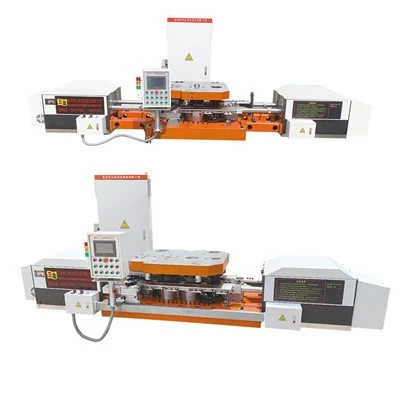
First off, let’s get one thing straight: a round bar cutting machine isn’t just a single one-size-fits-all tool. Sure, the core job is cutting round bars to precise lengths, but most of the ones my company sells are customizable. We can tweak blade strength, feed speed, and even the type of grip the machine uses depending on what material and industry it’s handling. That flexibility is the exact reason it’s not stuck in one silo—most people only picture them in metal fabrication shops, but they’re way more versatile than that.
Let’s start with the most obvious (but still super important) industry: construction. I’ve sent so many machines to job sites and fabrication yards where they’re cutting steel rebar, carbon steel bars, and even round stainless steel bars for everything from building frames to bridge supports. Wait, don’t write that off as boring—construction needs exact cuts, right? If a rebar bar is off by even an eighth of an inch, it messes up the whole frame. These machines cut way faster and more accurately than a guy with a hacksaw, which means job sites stay on schedule. I remember last year we worked with a mid-sized construction firm out of Chicago that was using our semi-automatic round bar cutters to prep rebar for a downtown high-rise. They used to have two guys cutting rebar all day, fighting with bent bars and dull blades. After they got our machine, that job got done 30% faster, and they had way less waste from botched cuts. That’s a win for anyone working in construction.
Next up, aerospace and aviation—people don’t talk about this enough. You think all those fancy airplane parts are made with hand tools? No way. Aircraft components need to be precision-made, no room for error. The round bars they use here are often things like titanium alloy, aluminum 7075, or Inconel (which is that crazy heat-resistant metal used in jet engines). My company’s CNC round bar cutting machines are perfect for this because they can hold tolerances within 0.005 inches—way tighter than what construction needs. Last month, I got a call from an aerospace parts manufacturer in Seattle that was using a competitor’s machine that couldn’t handle titanium without burning the material or leaving rough edges. They switched to our heavy-duty round bar cutter with a carbide blade, and now they’re using it to make landing gear bolts, engine shaft sleeves, and even the small round bars that go into control panels. The best part? They can run it 24/7 for small production runs, which is key for aerospace where every part has to pass strict safety checks. If you’re in a field where even a tiny mistake leads to big trouble, these machines are non-negotiable.
Wait, what about automotive? That’s a huge one. Car parts, truck parts—even electric vehicle parts are using round bars now. Let’s break it down: for gas-powered cars, you have things like drive shafts, valve stems, suspension bolts, and even the round bars that go into exhaust systems. For EVs, it’s a bit different—they need heavier, stronger round bars for battery frame supports and motor shafts, right? A lot of small automotive shops and even big OEMs use our automatic round bar cutting machines to prep these bars before they get machined into parts. I’ve seen a plant in Detroit that makes pickup truck frames use our cutters for the high-strength steel bars that make up the truck’s undercarriage. Before, they were outsourcing the cutting, which cost them extra money and delayed their production lines. Now they have three of our machines on the floor, and their lead time for parts dropped by almost half. EV manufacturers aren’t slacking either—they’ve been reaching out lately for our precision round bar cutters to make the aluminum round bars that reinforce battery packs. Those bars need to be cut exactly to length so they fit the battery module perfectly, and our machines do that every single time without error. It’s not just the big guys either—small garages use our portable round bar cutters for custom exhaust work or repairing old truck parts.
Hold on, we can’t leave out energy and utilities—this is another industry that relies on these machines. Let’s think about oil and gas first: they use round bars for wellheads, pipeline connectors, and even the valves that control flow. Those bars are often made from high-strength carbon steel or even alloy steel that can handle extreme pressure and corrosion. My heavy-duty round bar cutters are built to cut through that stuff without chipping the blade or bending the bar. Last year, I shipped a machine to an oil field service company in Texas that was making parts for offshore drilling rigs. They needed bars cut to exact lengths in 12-hour shifts, and our machine can handle that no problem. It’s designed with a closed-loop feed system that keeps the bar straight while cutting, so no warping even when you’re slicing through thick, tough steel. Then there’s renewable energy—wind turbines use round bars for their gearboxes and tower support brackets, and solar farms have parts like mounting brackets that use round bar too. A wind turbine manufacturer in Spain hit me up a few months back because they were having trouble cutting the large diameter steel bars for their turbine hubs. Our round bar cutter can handle bars up to 12 inches in diameter, which is exactly what they needed. They said their old machine would take 10 minutes to cut one bar, and ours does it in less than two. That kind of speed adds up when you’re making hundreds of turbine parts a month.
Wait a second, what about the less obvious industries? I’m talking about things like marine and even consumer goods. Marine is big because boats and ships need parts that can handle saltwater corrosion, so they use stainless steel and marine-grade aluminum bars. Our corrosion-resistant round bar cutters (we coat the parts that touch the metal with a special rust-proof coating) are perfect for cutting those. I sent a machine to a boat builder in Florida that makes luxury yachts. They use it to cut stainless steel rails, cleats, and even small round bars for the boat’s interior hardware. Before, they were cutting these bars with a band saw, which left rough edges that they had to sand down for hours. Now our machine cuts a smooth, clean edge, so their finishing work is way faster. They even told me last month that they started using it for custom parts for vintage car restorations—small aluminum bars for bumpers, etc. That’s the thing about these machines: if you customize the blade and the settings, you can cross over into other industries without buying a whole new piece of equipment.
Don’t sleep on consumer goods either. Think about all the metal furniture you see at IKEA, or the custom bike parts, or even metal sports equipment. A lot of those products use round bars that need to be cut to exact lengths. I know a small startup in Portland that makes custom metal bike frames—they use our semi-automatic round bar cutter to cut the chrome-moly steel bars that make up the frame’s tubes. They can set the machine to cut each tube to the exact angle and length they need, which saves them so much time. Instead of measuring and cutting each bar by hand, they load a stack of bars into the machine, set the parameters, and it does all the work. Their production capacity doubled after they got our machine, and they’re now supplying local bike shops all over the Pacific Northwest. Even things like kitchen appliances—stainless steel grates, oven racks, even the small round bars that go into mixer beaters—are cut with these machines. It’s not just heavy industry; small businesses and startups use them too.
Now, I know what you’re thinking: “Wait, can these machines handle different materials? I thought they only cut steel.” Let’s clear that up. Most of the round bar cutting machines my company sells are compatible with steel (carbon, stainless, alloy), aluminum, brass, copper, titanium, and even some plastics and composites if you tweak the blade. We have different blades for different materials—carbide-tipped for hard metals like titanium, high-speed steel for softer stuff like aluminum. That versatility is why they work in so many industries. You don’t need a separate machine for every material; just swap out the blade and adjust the feed speed, and you’re good to go.
But here’s the thing—all of this only works if you pick the right machine for your industry. A guy who runs a small bike shop doesn’t need a $50k CNC machine that’s built for aerospace. He needs a portable or semi-automatic one that’s easy to use and doesn’t take up too much space. A large construction firm needs a heavy-duty, high-production machine that can cut dozens of rebar bars an hour. That’s why we work with clients to figure out their exact needs before they buy—no one-size-fits-all here, which is why our customers keep coming back.
I’ve been in this game long enough to know that people often stick to what they know, but when it comes to round bar cutting machines, they’re way more versatile than you think. They’re not just for steel fabrication shops—they’re building skyscrapers, making planes fly, powering cars, and even helping build better bikes. The next time you see a bridge or a jet engine or a custom metal bike, chances are a round bar cutting machine had a hand in making it.
If you’re in any of these industries, or any other where you need to cut round bars accurately and efficiently, I’d love to chat. We can talk about your specific needs, show you what our machines can do, and figure out a solution that fits your shop or factory. No pressure, no sales pitch—just real advice from someone who’s been in the trenches with these machines for years. Hit us up whenever you’re ready to talk about your round bar cutting needs.
Nut Bolt Former References:
- "Round Bar Cutting Applications Across Industrial Sectors," Industrial Machining Journal, 2022.
- "Precision Cutting Technologies for Aerospace Components," Aviation Manufacturing Magazine, 2021.
- "Heavy-Duty Cutting Equipment in Construction: Efficiency and Accuracy Metrics," Construction Industry Review, 2023.
- "Versatile Metal Cutting Tools for Renewable Energy Parts," Energy Production & Distribution, 2022.
Quanzhou Sanye Intelligent Technology Co., Ltd.
As one of the most professional round bar cutting machine manufacturers and suppliers in China, we have world-leading production equipment and strong manufacturing capabilities. Please rest assured to buy customized round bar cutting machine made in China here from our factory. Welcome to contact us for quotation.
Address: Anhai Town, Jinjiang City, Fujian Province, China
E-mail: jack_tmm@163.com
WebSite: https://www.qzsymanipulator.com/
