As a respected trucks supplier, I understand the significance of advanced technology in the transportation industry. One such crucial innovation is the GPS system for trucks. In this blog, I’ll walk you through the process of installing a truck’s GPS system, sharing insights based on my years of experience in the business. Trucks
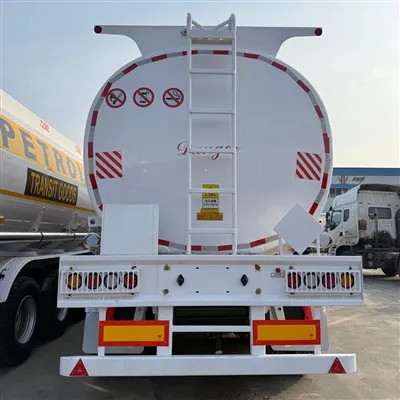
Why Install a GPS System in a Truck?
Firstly, let’s understand why a GPS system is a must – have for modern trucks. In the logistics and transportation sector, efficiency and safety are paramount. A GPS system provides real – time location tracking, which helps fleet managers monitor the movement of trucks. They can optimize routes, reducing fuel consumption and travel time. Moreover, in case of an emergency or theft, the GPS can quickly pinpoint the truck’s location, facilitating a timely response.
Pre – installation Preparations
Before you start the installation process, there are several important steps to take.
- Choose the Right GPS System: There are numerous GPS systems on the market, each with its own set of features. Consider factors such as accuracy, ease of use, durability, and compatibility with your trucks’ existing electrical systems. Some GPS systems offer additional features like driver behavior monitoring, which can be beneficial for improving safety and reducing wear and tear on the vehicle.
- Gather the Necessary Tools: You’ll need a basic set of tools for the installation, including a screwdriver set (both flat – head and Phillips), wire cutters, wire strippers, electrical tape, and a drill (if required for mounting). Make sure all the tools are in good working condition.
- Read the Manual: Thoroughly read the installation manual that comes with the GPS system. The manual will provide detailed instructions specific to the model you’ve chosen, including wiring diagrams and mounting locations.
Step – by – Step Installation Guide
Step 1: Mount the GPS Unit
The first step is to find a suitable location to mount the GPS unit inside the truck. The ideal location should be easily accessible to the driver for operation and have a clear view of the sky to ensure a strong GPS signal.
- Dashboard Mounting: Many GPS systems can be mounted on the dashboard using suction cups or adhesive mounts. Clean the dashboard surface where you plan to mount the unit to ensure a secure attachment.
- Windshield Mounting: Another option is to mount the GPS unit on the windshield. This provides a clear view for the driver, but make sure it doesn’t obstruct the driver’s line of sight.
Step 2: Power Connection
The GPS system needs a power source to function. Most truck GPS systems are connected to the vehicle’s electrical system.
- Identify the Power Source: Locate the ignition switch wire or a constant power source in the truck’s wiring harness. This may require referring to the truck’s wiring diagram.
- Connect the Wires: Strip the ends of the GPS power wires and the corresponding vehicle wires. Connect them using wire connectors and secure the connections with electrical tape. Make sure the connections are tight to prevent any electrical issues.
Step 3: Antenna Installation
A strong GPS signal is essential for accurate location tracking. The antenna needs to be installed in a location where it can receive a clear signal from satellites.
- External Antenna: Some GPS systems come with an external antenna. Mount the antenna on the roof of the truck or another high – up location where there are no obstructions. Use a drill to create holes if necessary and secure the antenna using screws.
- Internal Antenna: If the GPS system has an internal antenna, ensure that the unit is placed in a location where the antenna can receive a good signal. Avoid placing the unit near metal objects or electronic devices that may interfere with the signal.
Step 4: Data Cable Connection
In addition to power, the GPS system may need to be connected to other components in the truck, such as the OBD (On – Board Diagnostic) port, for features like vehicle data monitoring.
- Locate the OBD Port: The OBD port is usually located under the dashboard on the driver’s side. Plug the GPS data cable into the OBD port.
- Secure the Cable: Use cable ties or clips to secure the data cable along the truck’s wiring harness to prevent it from getting tangled or damaged.
Step 5: System Configuration
Once the physical installation is complete, it’s time to configure the GPS system.
- Power On the System: Turn on the truck’s ignition to power on the GPS system. Follow the on – screen prompts to set up the system, including entering your vehicle information and preferred settings.
- Test the System: Test the GPS system by checking the accuracy of the location tracking and the functionality of any additional features. Make sure the system can communicate with the satellites and that the data is being transmitted correctly.
Post – installation Checks
After the installation and configuration, it’s important to perform a series of checks to ensure the proper functioning of the GPS system.
- Signal Strength: Check the signal strength indicator on the GPS unit. A strong signal is indicated by multiple bars or a high – quality signal icon. If the signal is weak, re – evaluate the antenna installation and make any necessary adjustments.
- Functionality Testing: Test all the features of the GPS system, including route planning, real – time tracking, and driver alerts. Ensure that the system is providing accurate information and that all the functions are working as expected.
- Long – term Monitoring: Monitor the GPS system over a few days or weeks to ensure its long – term reliability. Keep an eye out for any issues such as signal loss, inaccurate data, or system malfunctions.
Conclusion

Installing a GPS system in a truck is a relatively straightforward process if you follow the right steps and take the necessary precautions. By choosing the right GPS system, preparing adequately, and carefully executing the installation, you can enhance the efficiency, safety, and performance of your truck fleet.
Tank Trailer As a trucks supplier, we are committed to providing our customers with the best solutions in the transportation industry. If you are interested in installing a GPS system in your trucks or have any other truck – related needs, we invite you to contact us for a detailed purchase negotiation. Our team of experts is ready to assist you in finding the most suitable products and services for your business.
References
- "Truck GPS Systems Installation Manuals" from various manufacturers
- "Fleet Management and GPS Technology" industry reports
- "Electrical Wiring Diagrams for Trucks" provided by truck manufacturers
Shandong Huayuanda Automobile Manufacturing Co., Ltd.
As one of the most experienced trucks manufacturers and suppliers in China, our products have good reputation in the market. We warmly welcome you to buy high quality trucks at low price from our factory. If you have any enquiry about cooperation, please feel free to email us.
Address: Industrial Park, Quanpu Town, Liangshan County, Jining City, Shandong Province
E-mail: Huayuanda2024@163.com
WebSite: https://www.hydtrailer.com/
