Hey there, fellow plant lovers! I’m an oxyfluorfen supplier, and I often get asked if oxyfluorfen can be used on ornamental plants. So, I thought I’d sit down and write this blog to share what I’ve learned over the years in the business. Oxyfluorfen

First off, let’s talk a bit about what oxyfluorfen is. Oxyfluorfen is a herbicide, which means it’s used to control weeds. It’s part of a group of chemicals that work by interfering with the growth process of plants. When it comes into contact with a weed, it basically stops certain biochemical reactions from happening, which eventually leads to the weed dying off.
Now, the big question: Can it be used on ornamental plants? The short answer is yes, but with a whole bunch of ifs, ands, and buts.
One of the main things to understand is that oxyfluorfen is a pre – emergent herbicide. That means it’s really good at preventing weeds from germinating in the first place. For ornamental plants, this can be a huge advantage. You see, weeds are a real pain in the neck for anyone growing ornamental plants. They compete with your beautiful flowers, shrubs, or trees for nutrients, water, and sunlight. If you can stop those pesky weeds from popping up, your ornamental plants will have a much better chance of thriving.
But here’s the catch. Oxyfluorfen can also be harmful to some ornamental plants if it’s not used correctly. Different types of ornamental plants have different levels of tolerance to oxyfluorfen. Some tough plants can handle a bit of it without any problems, while others are super sensitive and can get damaged even with a small amount.
For example, some well – established woody ornamental shrubs like boxwoods and hollies can often tolerate oxyfluorfen when applied at the right rate and time. These plants have a thicker bark and a more robust root system, which gives them a bit of a buffer against the herbicide. On the other hand, tender annual flowers or newly planted seedlings are much more vulnerable. Their delicate roots and leaves can be easily affected by oxyfluorfen, leading to stunted growth, yellowing, or even death.
So, how do you use oxyfluorfen safely on ornamental plants? Well, the first step is to do your research. Find out what type of ornamental plants you have and what their tolerance levels are to oxyfluorfen. You can check with your local nursery, a horticulturist, or even look up some reliable gardening resources online.
Once you know your plant’s tolerance, you need to pay close attention to the application rate. The label on the oxyfluorfen product will give you guidelines on how much to use per square foot or per acre, depending on the size of your planting area. It’s crucial to follow these instructions to the letter. Using too much can harm your ornamental plants, while using too little won’t be effective at controlling weeds.
Timing is also key. The best time to apply oxyfluorfen as a pre – emergent herbicide is before the weed seeds start to germinate. This usually means applying it in the early spring or fall, depending on your climate and the types of weeds you’re dealing with. If you apply it too late, the weeds will already be growing, and oxyfluorfen won’t be as effective. And if you apply it at the wrong time for your ornamental plants, like during a period of active growth or when they’re stressed, it can cause damage.
Another important factor is the method of application. You can apply oxyfluorfen as a spray or a granular form. Spraying is more common, but it requires careful handling. Make sure you’re using the right equipment, like a calibrated sprayer, and that you’re applying the herbicide evenly over the soil surface. Avoid getting the spray on the leaves or stems of your ornamental plants as much as possible. If you’re using the granular form, spread it evenly and then water it in gently to activate the herbicide.
Now, let’s talk about some of the benefits of using oxyfluorfen on ornamental plants. As I mentioned earlier, weed control is a major plus. By keeping the weeds at bay, your ornamental plants will look better and be healthier. They’ll have more access to the nutrients and water they need, which can lead to better growth, more vibrant colors, and more abundant blooms.
Oxyfluorfen also has a relatively long residual effect. Once it’s applied to the soil, it can continue to prevent weed germination for several months. This means you don’t have to keep reapplying it as often as some other herbicides, which saves you time and money in the long run.
But like any chemical product, there are also some potential drawbacks. One of the main concerns is environmental impact. Oxyfluorfen can be toxic to some aquatic organisms, so you need to be careful not to let it run off into nearby water sources. If you’re using it in an area close to a pond, stream, or lake, take extra precautions to prevent runoff, like creating a buffer zone or using a more targeted application method.
Another issue is the potential for resistance. If you use oxyfluorfen too frequently or in the wrong way, weeds can develop resistance to it. This means that over time, the herbicide will become less effective at controlling those weeds. To avoid this, it’s a good idea to rotate oxyfluorfen with other types of herbicides or use it in combination with other weed control methods, like hand – weeding or mulching.
In conclusion, oxyfluorfen can be a useful tool for controlling weeds on ornamental plants, but it needs to be used carefully. If you’re willing to do your homework, follow the instructions, and take the necessary precautions, it can help you keep your ornamental garden looking beautiful and weed – free.
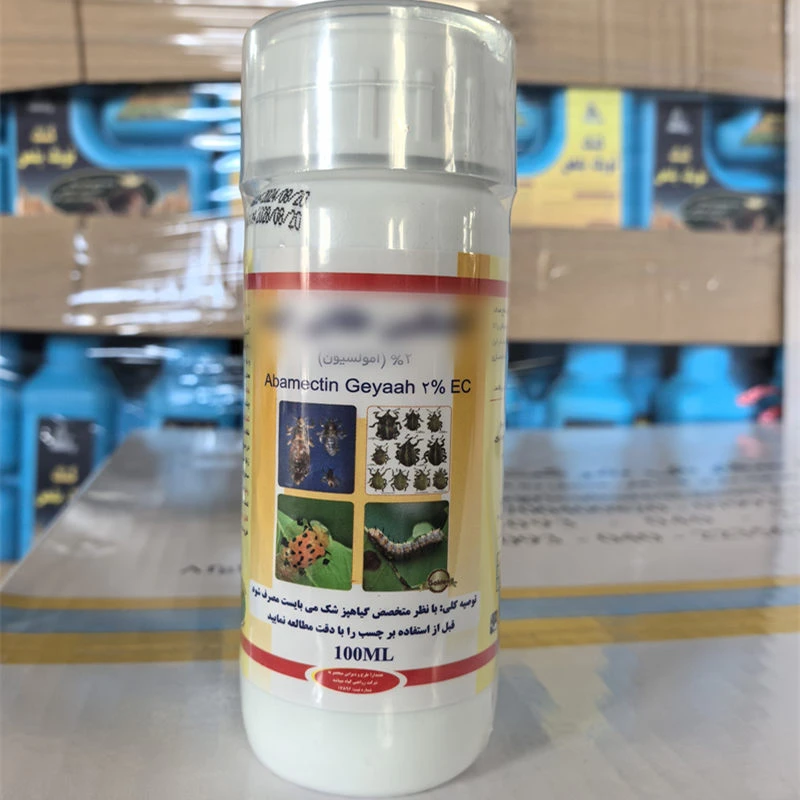
If you’re interested in purchasing oxyfluorfen for your ornamental plants, I’d love to have a chat with you. Whether you’re a professional landscaper or a home gardener, I can offer you high – quality oxyfluorfen products and give you more detailed advice on how to use them safely and effectively. Just reach out, and we can start a discussion about your specific needs.
Insecticide References:
- "Herbicide Handbook" by Weed Science Society of America
- Various extension service publications on ornamental plant care and weed control
Changzhou Dayilong Bio-Tech Co., Ltd.
With abundant experience, we are one of the most professional oxyfluorfen manufacturers and suppliers in China. Please rest assured to buy bulk high quality oxyfluorfen made in China here from our factory. Good service and reasonable price are available.
Address: Hundsun Science & Technology Park 3-1, BeiTangHe Road 8, Tianning District, Changzhou City, Jiangsu, China
E-mail: Sales@dayilongbio-tech.com
WebSite: https://www.dayilongagro-chemical.com/
