If you’ve ever installed a level meter on a tank, silo, or pipeline, you know it’s a piece of equipment you rely on day in and day out. A faulty level meter can halt production, skew inventory counts, or even lead to safety hazards—so when you’re purchasing one, the warranty period isn’t just a fine-print detail—it’s a guarantee of the manufacturer’s confidence in their product. As a level meter supplier with over a decade of experience working with manufacturing, agriculture, and logistics teams across North America, I’ve heard my fair share of questions about what a level meter’s warranty actually covers, how long it should last, and what common pitfalls to watch for. Let’s break it down, from how warranties are structured to what you can expect when you partner with a supplier. Level Meter
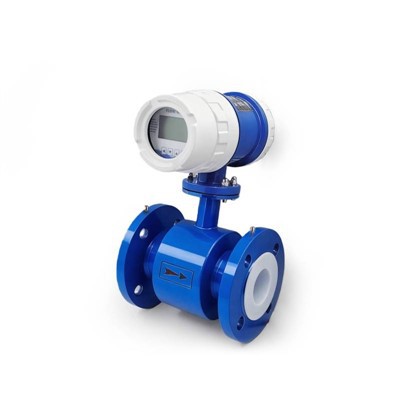
First, it’s important to remember that not all level meters are created equal. Your average ultrasonic level meter, for example, is used for non-contact measurements of liquids or solids in open tanks, while a guided wave radar level meter works in pressurized pipelines or slurries. A mechanical float level switch is rugged but has moving parts, unlike a vibration fork level switch which operates on solid-state technology. Each type is designed for a specific use case, and that context directly impacts the warranty period a supplier will offer. That’s why a one-size-fits-all answer to “what’s the warranty period?” doesn’t exist— but there are standard benchmarks that define what a fair, reliable warranty looks like in our industry.
For most solid-state level meters (the fastest growing segment today, because they have fewer moving parts and require less maintenance), the base warranty period hovers around 1 to 2 years from the date of shipment. Wait, 2 years is more common for higher-precision models, right? That’s correct. If you’re buying a guided wave radar or non-contact radar level meter, which can measure levels within millimeters and operate in extreme conditions (high pressure, temperature, corrosive materials), most reputable suppliers will offer a 2-year base warranty. That’s because these units undergo rigorous testing before leaving the factory: we test them in temperature chambers ranging from -40°F to 185°F, subject them to vibration tests that mimic heavy plant floor conditions, and run 10,000+ cycles to ensure their electronics hold up. A 2-year warranty is our way of saying we stand behind that testing.
For simpler, lower-cost level meters—like basic ultrasonic units used in agricultural irrigation tanks, or mechanical float switches that handle less demanding applications—you’ll often see a 1-year warranty. That’s not a knock on those units; it’s a reflection of their design. Mechanical float switches have a plastic or metal arm that moves with the liquid level, and over time, that arm can wear if it’s exposed to harsh chemicals or frequent movement. Ultrasonic meters, while solid-state, can be impacted by fog, dust, or foam in low-cost models, so suppliers offer a shorter window to cover any factory defects that might slip through.
But here’s where it gets nuanced: many suppliers offer extended warranty options, often at a small additional cost, that can push coverage to 3 or even 5 years. For customers operating in 24/7 industries—like chemical manufacturing, where a level meter failure can shut down a production line costing tens of thousands of dollars an hour—this is a no-brainer. We’ve seen customers in food and beverage processing opt for 5-year extended warranties on their tank level meters because they can’t afford unplanned downtime. That extended coverage isn’t just for parts, either; some suppliers will cover labor for on-site repairs or calibrations during the extended period, which adds even more value.
Now, let’s talk about what the warranty actually covers, because a lot of people assume it’s all-inclusive—and that’s a mistake. A standard level meter warranty almost always covers defects in materials or workmanship. That means if your unit’s circuit board fails because of a faulty solder joint at the factory, or if the radar transducer is misaligned right out of the box, the supplier will repair or replace it for free. But there are almost always exclusions. Here’s what you won’t find covered: damage from improper installation, wear and tear on moving parts (like float switch arms, after 1 year of use), damage from environmental factors not specified in the unit’s technical sheet (for example, exposing a standard ultrasonic meter to extreme saltwater without a corrosion coating), or damage from power surges or electrical spikes that aren’t caused by a defect in the meter itself.
I’ve seen too many customers get burned by skipping installation guidelines to save time, then get denied a warranty claim when their unit breaks. Last year, a customer in the Midwest installed a guided wave radar level meter on a tank with a 180°F slurry, but they didn’t mount the unit with the recommended heat shield. Six months later, the electronics overheated and failed. The supplier refused to cover it, because the warranty clearly states that damage from operating outside the specified temperature range is excluded. That’s why it’s critical to read the fine print—and ask your supplier to walk you through the exclusions before you buy.
Another common question: does the warranty start when I receive the meter, or when I install it? Again, this varies by supplier, but it’s a big one. Some suppliers use the shipment date, which means if your installation is delayed for 6 months because of a project backlog, you could lose half your warranty before you even turn the unit on. At our company, we set the warranty start date as the date of commissioning (when the meter is installed and calibrated, ready for use), which gives customers more flexibility. That’s a non-negotiable for us, because we know that many industrial projects have delayed timelines, and we don’t want to penalize a customer for waiting to get their installation done. If your supplier uses the shipment date, that’s a red flag—they’re more likely to have hidden fine print that works against you.
Now, how do different types of level meters impact the warranty period? Let’s go into a few specific examples:
- Guided Wave Radar Level Meters: As I mentioned, base warranty is 2 years, with extended options up to 5. These are designed for dense or viscous materials, so their components are more robust— but because they’re precision instruments, improper installation can quickly void the warranty.
- Vibration Fork Level Switches: These solid-state units are built for point level detection (knowing when a tank is full or empty). Most suppliers offer a 1-year base warranty, and some will extend it to 3 because they have no moving parts. I’ve had a customer run the same vibration fork in a grain silo for 4 years now, and it’s still working— that’s a testament to good design, but the warranty only covers the first 12 months.
- Ultrasonic Level Meters: Base warranty is 1 to 2 years, depending on the model. The cheaper, open-air models for irrigation will have a 1-year warranty, while the high-precision models used in wastewater treatment (which handle more dust and moisture) have a 2-year warranty.
- Hydrostatic Pressure Level Transmitters: These measure liquid level by detecting the pressure at the bottom of a tank. They’re often used in water and wastewater applications, and most suppliers offer a 2-year base warranty, with extended options. Because they’re submerged, proper sealing is critical— a bad seal from installation can void the warranty.
It’s also worth noting that industry standards play a role, even if they’re not always strictly enforced. The International Electrotechnical Commission (IEC) has guidelines for industrial measurement equipment, which suggest that solid-state level meters should have a minimum 1-year warranty. Many reputable suppliers exceed that, which is why our 2-year base warranty for radar meters is aligned with what top players in the industry offer.
So, what should you look for when comparing level meter warranties? First, transparency. A good supplier will clearly list the warranty period, start date, and exclusions on their website, and will be able to answer your questions over the phone or in an email without making you wait. Second, flexibility. Does the supplier offer extended warranties that make sense for your use case? Can you get on-site calibration support as part of the warranty? Third, reputation. We’ve had customers come to us after a bad experience with a supplier that offered a 5-year warranty but would take 6 weeks to process a replacement part. A long warranty is useless if the supplier won’t honor it quickly, when you need a replacement.
Let me share a recent example to illustrate this. A customer in the agricultural sector came to us last spring. They had bought 10 ultrasonic level meters from another supplier for their grain storage bins. The other supplier had advertised a 3-year warranty, but when 2 of the meters failed after 18 months, they were told the warranty only covered defects, not damage from grain dust accumulating on the sensor. That’s a common exclusion— but the supplier hadn’t clearly communicated it. When the customer reached out to us, we recommended a 2-year base warranty on their new meters, with an optional 3-year extended warranty that includes coverage for sensor cleaning kits. We also walked them through how to mount the meters to minimize dust buildup, which reduced the risk of future issues. That’s the kind of support you get from a supplier who cares more about your success than just making a sale.
Now, if you’re in the market for a new level meter, here’s my advice: don’t just shop by price. A $500 level meter with a 1-year warranty might seem like a steal, but if it breaks 6 months after installation, you’re out the cost of the meter plus the labor to replace it. A $700 meter with a 2-year base warranty and an extended option is a better investment for long-term operations. Ask your supplier to provide a sample of their warranty terms, and don’t be afraid to negotiate— many reputable suppliers will work with you on extended warranty terms, especially if you’re ordering multiple units.
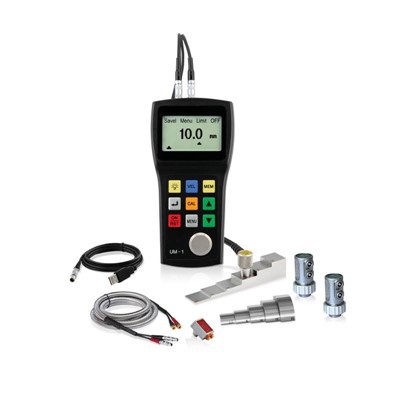
At the end of the day, the warranty period for a level meter is more than just a number. It’s a reflection of a manufacturer’s confidence in their product, and a promise that they’ll stand behind you when something goes wrong. If you’re ready to invest in a level meter, or you’re looking to replace a unit that wasn’t backed by a reliable warranty, reach out to our team to discuss your specific application. We can walk you through our warranty terms, recommend the right model for your needs, and help you find a coverage plan that gives you peace of mind.
Electromagnetic Flow Meter References
- International Electrotechnical Commission (IEC). "Industrial-Process Measurement and Control – Level Measurement Devices." IEC Standard 61508, 2022.
- Sensor Technology Industry Association. "Warranty Standards for Solid-State Industrial Measurement Equipment." Sensor Tech Review, vol. 18, no. 3, 2023.
- Plant Engineering Magazine. "Downtime Costs and Warranty Value in Industrial Automation." Plant Eng Media, 2024.
Dalian Yheng Technology Co., Ltd.
Dalian Yheng Technology Co., Ltd. is one of the leading level meter manufacturers and suppliers in China, also supports customized service. We warmly welcome you to buy high quality level meter in stock here from our factory. Contact us for more details.
Address: F1605, NO.10 Huoju road, High-tech Industrial Zone, Dalian, China
E-mail: admin@dlyheng.com
WebSite: https://www.yhengphmeter.com/
