Hey folks, let’s cut to the chase—if you’re in the market for structural beams for your next build, you’ve probably stared at two main options: solid wood or engineered wood beams. And yeah, I’m the guy on the engineered wood side who works with these things every single day, so let me break down why they’re not just a “trendy substitute” but actually the smarter pick for most projects I’ve helped customers with over the years. No stuffy textbook jargon, no fluff—just real, on-the-ground advantages that matter to builders, contractors, and even homeowners tackling a custom build. Engineered Wood Beams
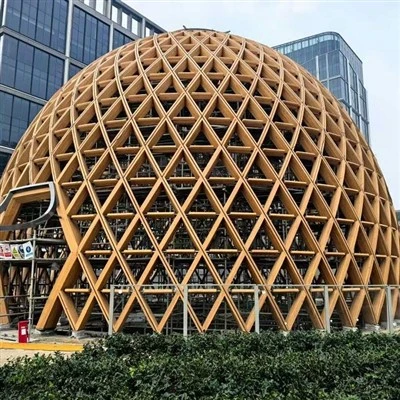
First off, let’s talk consistency. Solid wood is great, but it’s got a big flaw: it’s a natural product, so every piece is different. One board might twist a little in humid weather, another might have a hidden knot that weakens it, and by the time you source 20 identical solid wood beams, you’ve probably wasted half a day sorting through lumber and throwing away the duds. Engineered wood beams? We build ’em in climate-controlled factories, not out in the backyard where rain or sun can mess with them. That means every beam we ship is the same length, the same straightness, and has exactly the same structural strength as the last one. I’ve had a customer come to me last month who’d been burned by solid wood beams that twisted mid-install—they thought engineered was just fancy plywood, but no, it’s precision-built. We had their beams on site, ready to drop in, no sorting, no surprises. That’s a huge time-saver, and time on a build site equals money in your pocket, right? When you’re on a tight deadline or budget, that consistency is non-negotiable.
Next, strength—let’s get nerdy for a sec, but keep it real. Engineered wood beams, especially the ones we specialize in (think LVL, glulam, and I-joists), are way stronger than solid wood of the same width and depth. How? We take wood strands, veneers, or fibers and bind ’em together with high-grade, water-resistant adhesive in layers, so the strength is spread evenly across the beam. Solid wood only uses the strong outer layers of a tree—called the heartwood—so the inner stuff (sapwood, knots, all that natural mess) just drags the whole beam down. For example, a 12-inch LVL beam from us can hold more weight than a 16-inch solid Douglas fir beam. That means you can use a smaller, lighter beam for the same load, which cuts down on material costs and makes lifting and installing way easier. I remember a contractor buddy of mine who builds small commercial spaces—he switched to our engineered beams two years ago and told me he’s saved about 15% on material and labor costs just by using smaller beams that go up faster. Win-win.
Then there’s size flexibility. Ever tried to find a solid wood beam that’s 80 feet long? Good luck. Most mature trees don’t grow that big, so you’d have to splice multiple pieces together, which adds weak points and takes more time. Engineered beams? We can make them as long as you need—100 feet, 120 feet, whatever the project calls for—no splicing required. That’s a game-changer for open floor plans, high-ceiling homes, or big commercial buildings where you don’t want a bunch of unsightly joints blocking the view. I recently worked on a custom home project where the client wanted a 90-foot clear span for their great room—solid wood would have been impossible, but our glulam beams fit the bill perfectly, and the client didn’t have to deal with any awkward seams. Plus, we can customize the depth and shape too: if you need a beam that’s deeper on one end to fit around a window, no problem. We cut it to your exact specs before it even leaves our warehouse. That’s way harder to do with solid wood, which can splinter or crack when you modify it after it’s milled.
Now, let’s talk about environmental impact—this is a big one right now, and a lot of people sleep on it. Engineered wood beams use smaller, younger trees that would otherwise be turned into low-value products like paper pulp. We don’t need to cut down massive old-growth trees for structural beams, which reduces deforestation. Also, the factory process is more efficient—less waste, because every scrap of wood from the manufacturing line gets turned into something else, like particleboard or insulation. And compared to steel or concrete, engineered wood has a lower carbon footprint. Steel takes a ton of energy to melt and shape, concrete emits way more CO₂ during production. Wood, especially when it’s sustainably sourced, stores carbon—so that beam you use in your build is actually keeping carbon out of the atmosphere for decades. I’m big on working with suppliers that use FSC-certified wood, and all our beams are from responsibly managed forests, so if sustainability matters to you, that’s a huge plus. A lot of our customers are small builders who focus on green projects, and they come back to us every time because they can market their builds as eco-friendly, which attracts more clients.
Wait, but what about durability and resistance to common problems? Let’s address the elephant in the room: do engineered beams warp or get damaged by moisture? Nope, not like solid wood. The way we manufacture them—pressing layers together with adhesive that’s designed to hold up to humidity—means they don’t expand or contract as much as solid wood does. I’ve seen solid wood beams in a basement that twisted so bad the door wouldn’t close above them, but our engineered beams go into high-moisture spaces like crawl spaces or bathrooms with zero issues. Also, we treat them for pests, right? The factory process includes pressure treatment that keeps bugs like termites or carpenter ants away, which is way more consistent than treating solid wood on site, where you might miss spots. And if you’re worried about fire? Engineered wood has a higher fire resistance rating than you might think—when it burns, the outer layer chars and acts as a barrier, so the inner layers stay intact longer than solid wood. That’s a big deal for building codes, which I’ll get to in a sec.
Speaking of building codes—let’s keep this practical for anyone who’s had to deal with inspections. Engineered wood beams are tested to meet national building codes, so you don’t have to stress about whether they’ll pass inspection. Every beam we ship has a stamped label that lists its load capacity, dimensions, and compliance with codes like IRC (International Residential Code) or IBC (International Building Code). With solid wood, you might have to do calculations on your own or hope the lumber yard’s grade stamp is accurate, but our engineered beams are tested in labs, so you can be 100% sure they’re up to code. That saves you from headaches during inspections and no need to redo work because something didn’t meet requirements. I’ve had a few contractors tell me they’ve had solid wood beams fail inspections because the grade was wrong, but they’ve never had that issue with our engineered stuff.
Wait, let’s not forget about cost. I know some people think engineered wood beams are more expensive upfront, but that’s not always the case. When you factor in labor savings—smaller beams are easier to lift, consistent sizes mean no sorting or cutting on site, faster installs—it balances out. And you don’t have to deal with waste from bad solid wood beams, which adds up over a big project. I did a side-by-side quote last year for a customer building a 2,000 sq ft home: solid wood beams came in at $1,200 more upfront, but the labor to install them was 2 days longer, costing $1,800 extra. So total, engineered was actually cheaper. That’s a math problem anyone can get behind.
Now, let’s be real—this isn’t to say solid wood is useless. If you want that rustic, natural look for a feature beam in a living room, solid wood is great. But for the structural beams that hold up your house or building? Engineered is the way to go. I’ve been in this game for 7 years, and every customer who switches over doesn’t go back. They tell me it’s less stress, faster builds, and they don’t have to deal with those little problems that pop up with solid wood.
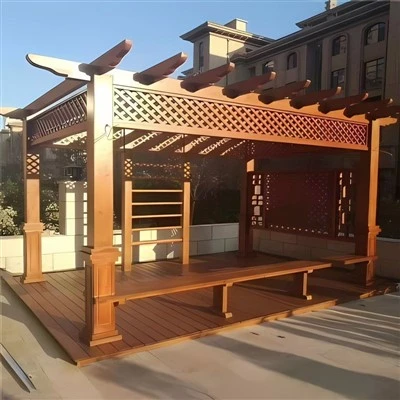
If you’re working on a project right now—whether it’s a new home, an addition, a commercial space, or a deck—and you want beams that are reliable, cost-effective, and sustainable, I’d love to chat. We can walk through your specs, give you a custom quote, and answer any questions you have about how our engineered wood beams fit your needs. Don’t waste time dealing with inconsistent solid wood or overpriced steel—reach out to us, and let’s make your build easier.
Structural Timber References:
- American Wood Council. (2022). Engineered Wood Products for Structural Applications.
- Forest Stewardship Council. (2023). Sustainable Wood Sourcing in Construction.
- International Code Council. (2021). International Residential Code for One- and Two-Family Dwellings.
Zendekin Low-Carbon Technology Co., Ltd.
We are one of the most professional engineered wood beams manufacturers and suppliers in China. With abundant experience, we warmly welcome you to wholesale customized engineered wood beams from our factory. If you have any enquiry about quotation, please feel free to email us.
Address: Building 3, Yincheng INC Center, No.59 Tianyuan West Road, Jiangning District, Nanjing, Jiangsu, China.
E-mail: 13813916590@126.com
WebSite: https://www.zdqeco.com/
