Hey folks, let’s cut to the chase: if you’re running a food processing plant (or you’re a noob supplier like me) and you’re buying or selling gear for processing, the last thing you want is to drop a chunk of cash on something that’s just… not allowed. I’ve been in the food processing equipment game for 7 years now, and I still get questions every other week like, “Do actual government rules even apply here, or is this just industry hype?” Spoiler: they’re real, they’re strict, and skipping them will get you way more than a side-eye from a health inspector. Food Processing Equipment
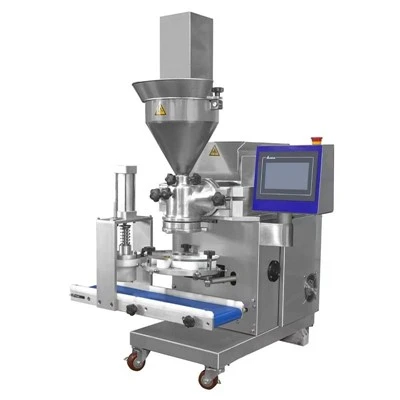
Let’s start with the most obvious one that everyone screams about but no one actually breaks down: FDA stuff. For anyone in the US (which is like, half the food processing market I work with), the Food and Drug Administration doesn’t just send generic guidelines—they have specific regulations for every single part of the gear that touches food. Last year, a small craft pickle plant I work with tried to source a $12k stainless steel mixing tank from a overseas vendor that swore it was “food-grade.” Turns out, the steel was type 304, but the welds had a random lead-containing filler metal that violated 21 CFR 175.300. We almost had to scrap the whole unit the day before it was supposed to go into production, because the health department wouldn’t sign off on it. That’s the kind of headache you avoid when you know the rules, right?
Now, it’s not just US-based plants. If you’re selling gear internationally, the EU has their own big one: EFSA. The European Food Safety Authority is way stricter on traceability and material limits than the FDA, in my experience. A few years back, I had a client in Spain that rejected a batch of conveyor belts I sourced because they didn’t have the “EU food contact certification” label. Turns out, the US-made belts we tried had a plasticizer that exceeded EFSA’s allowable migration limits for citrus processing (they’re super sensitive to that stuff for some reason). We had to rework the whole order—cost me a couple grand in shipping delays, but that’s just part of the job when you’re selling across borders.
Wait, but what about stuff that doesn’t touch food? Like the motors on a packaging line, or the frames of a slicer? People sleep on that part, but OSHA (again, US) has non-negotiable rules for workplace safety. Last month, a client of mine got hit with a $15k OSHA fine because their old meat slicer didn’t have a properly guarded blade. The inspector pulled up 29 CFR 1910.212 verbatim, and the plant had to replace the slicer’s guard before they could run any high-volume processing. That’s not even a food safety rule—it’s a workplace safety rule, but it applies directly to the equipment you use. And let’s be real, if a plant is cutting corners on safety, the food side is probably cut too.
I should also mention that it’s not just safety or material stuff—there’s sanitation too. The FDA’s Current Good Manufacturing Practices (CGMPs, which I shorten to CGMPs because no one wants to say the full thing every time) lay out exactly how equipment has to be designed to be cleaned. For example, if you have a pipe in a processing line, it can’t have dead ends—like, corners that are super tight where food gunk can get stuck and bacteria multiply. I had a candy client that used a pipe with a 90-degree elbow that was too short; mold grew in that nook, and they had to shut down production for 3 days to clean it top to bottom. We now make all our pipe fittings with long-radius elbows for that exact reason—cuts down on sanitation time, and keeps plants from getting fined for unsanitary conditions.
But wait, let’s get to the part that suppliers like me actually deal with: certification. No one’s just gonna take your word that your gear is compliant. For US markets, you need to make sure your gear is either marked with the FDA’s voluntary seafood HACCP certification (if it’s seafood processing) or has 3-A Sanitary Standards—those are the big ones for dairy, beverage, and meat processing. 3-A is like the gold standard, honestly. If your line is 3-A certified, plants will jump at it because they know the inspectors will sign off on it without a fight. For EU, it’s often CE marking for food contact, and sometimes BRCGS (British Retail Consortium Global Standards) if you’re supplying to big grocery chains over there. I’ve had big box grocery buyers in Germany flat-out refuse equipment that didn’t have BRCGS certification—they know their customers demand that level of accountability.
Here’s the thing that trips up a lot of new suppliers (and even some old heads): regulations aren’t one-size-fits-all. It depends on what kind of food you’re processing. For example, low-acid canned foods (like beans or soups) have super strict rules because they can grow botulism. The FDA’s Low Acid Canned Food (LACF) regulations mean every piece of equipment that comes into contact with that food has to be tested for heat penetration—like, if you have a retort (the big pressure cooker cans food in), you can’t just sell any old retort; it has to be calibrated to maintain exact temperatures to kill harmful bacteria. I worked with a canning plant in Michigan a couple years ago that tried to use a used retort they found on Craigslist—turns out, the pressure gauge was off by 10 degrees, and they almost had a botulism outbreak. That’s not a fine, that’s a public health disaster.
Also, regulations change. I learned that the hard way in 2020, when the FDA updated their rules on plastic materials for food contact. Suddenly, half the plastic conveyor belts I’d been using for 5 years weren’t allowed because they had a new banned plasticizer. I had to dump a whole inventory of belts, source a new supplier that had the updated certifications, and train my sales team to tell every client about the change. If I’d skipped that, I would’ve lost most of my small food plant clients—they can’t afford to deal with gear that becomes obsolete overnight because of a rule change.
Wait, what about other countries? I mentioned the EU, but places like Canada, Australia, and even emerging markets in Latin America have their own rules. For Mexico, it’s COFEPRIS certification, and for Australia, it’s FSANZ. A couple years back, I sold a batch of fruit sorting equipment to a plant in Colombia that was ready to import, only to find out their local health authority had a rule that all equipment for fresh produce processing has to have anti-microbial coatings to prevent cross-contamination. We had to add the coatings last minute, and it cost a week of shipping delays. Now, I have a cheat sheet for every country’s key regulations, and I update it every 6 months so I don’t get caught off guard.
But here’s the real takeaway, especially for my fellow equipment folks (or plant owners shopping around): these rules aren’t just red tape. They’re there to keep people from getting sick, and to keep plants from losing their whole business. I’ve seen a plant shut down for 6 months because they used non-compliant processing gear—they lost $2 million in revenue, and 12 people lost their jobs. That’s way worse than paying a bit more for compliant equipment.
As a supplier, my job isn’t just to sell you a machine. It’s to make sure that machine works for your specific needs, meets all the local rules, and keeps you from dealing with inspectors or fines. If you’re a plant owner looking to upgrade your line, or a fellow gear person who wants to know the ins and outs of compliance, hit me up for a chat. No pressure, just solid info that’ll save you headaches down the line.
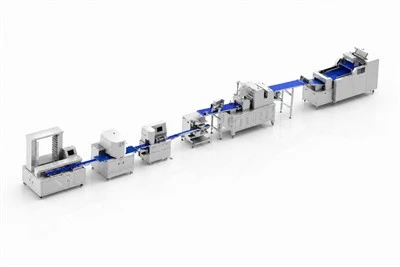
At the end of the day, whether you’re a plant needing gear or a supplier like me, knowing the regulations isn’t optional. It’s part of doing business in food processing, and skipping it is just asking for trouble.
Fancy Bun Production Line References:
- U.S. Food and Drug Administration. (2023). Food Contact Substances (FCS) and Materials. Retrieved from official FDA public regulatory database
- U.S. Occupational Safety and Health Administration. (2022). 29 CFR Part 1910 – Occupational Safety and Health Standards. Retrieved from official OSHA regulatory archive
- European Food Safety Authority. (2021). Guidelines on Food Contact Materials and Articles. Retrieved from EFSA public regulatory portal
- 3-A Sanitary Standards Inc. (2023). Current Sanitary Standards for Food Equipment. Retrieved from 3-A SSI official public documents
- Food Safety and Standards Authority of New Zealand. (2022). Food Equipment Design and Construction Requirements. Retrieved from FSANZ official regulatory library
Shanghai Longyu Electro-Mechanic Technology Co., Ltd.
Shanghai Longyu Electro-Mechanic Technology Co., Ltd. is one of the most professional food processing equipment manufacturers and suppliers in China, featured by quality products and good service. Please feel free to wholesale advanced food processing equipment made in China here from our factory. Also, custom service is available.
Address: No.66, Guangfulin East Road, Zhongshan Subdistrict, Songjiang District, Shanghai, China
E-mail: sales4@longyu-sh.com
WebSite: https://www.longyu-sh.com/
