Hey there, let’s cut the crap – if you’ve ever wondered how the cold rolled steel you use for everything from car body panels to precision brackets actually gets made, you’re not alone. As a cold rolled steel supplier who’s been in the game for over a decade, I get questions all the time from shop owners, fabricators, even random folks who saw a steel beam on a building and went “wait, that’s cold rolled?” Spoiler: it’s not just regular “hot steel” that got sent to a freezer, despite what the name makes it sound like. Let’s break this down real, no-jargon style, because I know half the stuff I read about steel manufacturing reads like a old textbook written by a robot who hates fun. Cold Rolled Steel

First, let’s start with what you already might know: before something’s cold rolled, it’s hot rolled steel. Hot rolled comes straight from the mill’s finishing line, fresh off being heated way above its recrystallization temp (for steel, that’s around 1700°F, for reference – hot enough to turn metal red-hot like a campfire ember). Hot rolled is great for structural stuff like I-beams and heavy pipes, but it has flaws. It’s got that rough, scaly surface called mill scale, it’s a little inconsistent in thickness, and its shape isn’t super precise. That’s where cold rolling comes in – it’s like giving hot rolled steel a glow-up, turning it into the smooth, strong, accurate stuff you actually want for finished parts.
Let’s walk through the process step by step, exactly how we do it at our facilities, no fancy corporate spin. First, we don’t just grab a random hot rolled coil off the shelf – we start with inspected hot rolled pickled and oiled coil. Wait, pickled? Right, that’s step one prep. Hot rolled steel gets that mill scale from being heated; mill scale is like a flaky rust layer that would mess up the cold rolling process. So we run the hot coil through a pickling line, usually a series of baths with diluted sulfuric or hydrochloric acid. The acid eats away the mill scale without touching the steel itself, which is pretty neat. After pickling, we rinse it super well with water to get rid of leftover acid, then dry it off – moisture would cause rust during storage, so that’s non-negotiable. Finally, we coat it with a light oil (not too much, just enough to prevent rust) before winding it into a tight, neat coil. That’s our raw material ready to go into cold rolling.
Next up, the main event: the cold rolling mill itself. Here’s where the magic happens – “cold” doesn’t mean we chill the steel, it means we work it at room temperature, way below that recrystallization temp we talked about earlier. Why cold work it instead of hot? Because rolling at room temp lets us get way more precise thickness control, a way smoother surface, and it actually makes the steel stronger (that’s strain hardening, but I’ll keep it simple – think of bending a paperclip back and forth until it snaps, it gets stiffer every time you bend it). The mill uses big, heavy rolls – we’re talking thousands of pounds of pressure here – to squeeze the hot rolled coil thinner and thinner as it passes through. Wait, how many passes? Usually 3 to 7, depending on how thin we need the final product. For example, if we start with a hot coil that’s 0.25 inches thick, we’ll squeeze it down to 0.01 inches or even thinner for things like appliance panels.
But here’s a key point: the rolls themselves matter a ton. We use different rolls for different jobs – work rolls are the ones that actually touch the steel, they’re super smooth and precise (like, within thousandths of an inch), and backup rolls behind them to support the work rolls so they don’t bend under all that pressure. If the rolls are even a tiny bit off, your finished steel will have wavy edges, uneven thickness, or that rough texture we’re trying to avoid. We check the rolls every shift for wear, too – a small scratch on a work roll can ruin thousands of feet of steel before you notice, so that’s a critical quality step we never skip.
After cold rolling, the steel is a lot stronger than hot rolled, but it’s also kind of brittle because of that strain hardening. That’s why the next step is annealing. Wait, annealing sounds fancy, but it’s just heating the steel back up – but carefully. We put the cold rolled coils into big annealing furnaces, heat them up to around 1200 to 1600°F (way lower than the hot rolling temp), hold them there for a few hours, then cool them slowly. What does that do? It softens the steel, removes the brittleness, and lets the internal structure reset so we can shape it further without it cracking. It also helps with consistency – if we anneal it evenly, every foot of the coil has the same strength, which is huge for parts like car doors or furniture frames where you need uniform performance.
Sometimes, after annealing, we do a little finishing touch called temper rolling (also skin pass rolling, if you want to get technical). This is a super light pass through the mill, like squeezing it just a tiny bit thinner – only 1% to 5% reduction. Why? It eliminates that “yield point elongation” thing, which is basically that weird stretch where the steel suddenly gives way when you pull it, which would make parts warp or not fit right. It also gives the steel a nice, uniform surface texture, which is perfect if you’re going to paint it or apply a coating later. You don’t want a wavy surface on a fridge panel, right?
Then, after all that processing, we test the steel like crazy to make sure it’s up to snuff. We check thickness with gauges every few feet – even the smallest variation is a problem. We test strength (tensile strength, yield strength) because different customers need different specs – a bracket for a shelf needs different strength than a panel for a gym bag. We also check surface quality, looking for any scratches, dents, or uneven areas that would make it useless for our customers. If it doesn’t pass, we send it back to be reprocessed – no cutting corners here, even if that means a little extra work for us.
Wait, I know you’re probably thinking – why go through all this instead of just using hot rolled? Let me give you a real example from last week. A customer of ours makes custom motorcycle frames – they needed steel that’s consistent, smooth, and strong enough to hold up to road vibration, but thin enough to not add too much weight. Hot rolled would’ve been too rough, too inconsistent, and when they bent it, it would’ve cracked. Cold rolled was perfect – we supplied them 0.08-inch cold rolled steel with a 30,000 psi yield strength, exactly what they needed, and it bent like a dream without any defects. Another customer makes appliance doors – they need steel that’s smooth enough to paint, perfectly flat, so when you put a fridge next to a wall, there’s no gap. Cold rolled is the only way to get that level of flatness and surface quality.
As a supplier, the biggest thing I tell new customers is that not all cold rolled steel is the same. We source our raw hot rolled from reputable mills that follow strict quality standards, we run our annealing lines at the right temp and cool at the right rate, and we never skip a quality check. Some cheaper suppliers might cut corners – use lower quality hot rolled, skip proper pickling, or rush annealing – and end up with steel that’s inconsistent, brittle, or has surface flaws. That’s the stuff that breaks mid-job, makes your parts look bad, and costs you time and money. We’ve had customers come to us after getting burnt by that kind of stuff, and once they use our cold rolled, they never go back.
Now, if you’re someone who needs cold rolled steel – whether you’re a fabricator, a manufacturer, a DIYer working on a big project – you probably have questions. What thickness do you need? What strength? What surface finish? Do you need it cut to size, or do you want coils? We handle all that – we can supply coils in whatever size you need, cut to length, even punch holes or add coatings if you want. No minimum orders, no runaround, just straight-up steel that works for your project.
If you’re tired of dealing with suppliers that give you excuses, or steel that doesn’t meet your specs, hit us up for a chat. We don’t do complicated sales pitches – we’ll answer all your questions, send you samples, and give you a quote that’s fair. At the end of the day, we’re in this business to supply good steel to people who need it, and we care just as much about your project as you do.
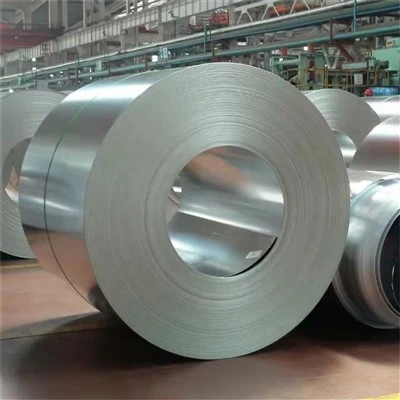
Now, let’s wrap this up quick so you can get back to your day. Cold rolled steel isn’t rocket science, but it’s a precise process that takes care and attention to get right. From pickling away mill scale to cold rolling that hot steel into shape, annealing to soften it, and testing every step to make sure it’s perfect, it’s all about turning basic hot rolled steel into the strong, smooth, precise stuff you use every day. If you need quality cold rolled steel, don’t hesitate to reach out and start the conversation. You won’t regret it.
Prepainted Galvanized Steel References:
- ASM International. (2005). Cold Rolling of Steel. ASM Handbook, Volume 04: Metals Testing and Evaluation.
- TMS (The Minerals, Metals & Materials Society). (2012). Fundamentals of Steel Manufacturing. John Wiley & Sons.
- Steel Manufacturers Association. (2021). Cold Rolled Steel: Properties and Applications. SMA Technical Bulletin.
- Groover, M. P. (2019). Fundamentals of Modern Manufacturing: Materials, Processes, and Systems. John Wiley & Sons.
Gnee Steel (Tianjin) Co., Ltd.
Gnee Steel (Tianjin) Co., Ltd. is one of the most professional cold rolled steel manufacturers and suppliers in China, specialized in providing high quality products with low price. We warmly welcome you to wholesale cheap cold rolled steel in stock here and get free sample from our factory. Also, customized service is available.
Address: No.4-1114, Beichen Building, Beicang Town, Beichen District, Tianjin, China
E-mail: info@gneegi.com
WebSite: https://www.galvanizedsteels.com/
