Hey there, if you’ve ever stopped to glance at the big red canisters tucked under office desks, in kitchen corners, or by factory exit doors, you’ve probably wondered: “How often do these actually need checking?” As someone who’s spent the last 8 years working with dry powder fire extinguishers—first as a tech running maintenance calls, now as part of a supply team—I hear this question at least once a week. And fair, too! You don’t want to dig one out when it’s too late, but you also don’t want to waste time and cash on overchecking something that’s perfectly fine. Let’s break this down, no stuffy jargon, just real stuff that works for anyone using these. Dry Powder Fire Extinguishers
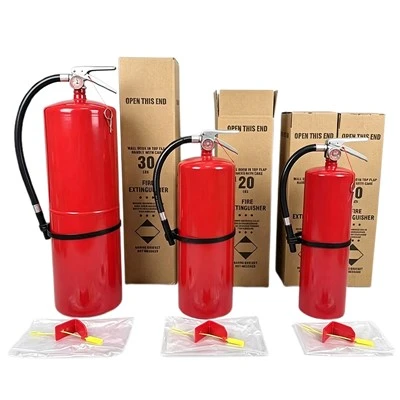
First off, let’s get one thing straight: dry powder extinguishers aren’t set-it-and-forget-it gear. They’re pressure vessels, basically, holding a chemical mix that can clump up if it sits too long, plus they’re exposed to temperature swings, knocks from moving boxes, or even being moved around by random office cleaners. The rules here? They’re actually pretty standard across most places, but they’re split into two big categories that most people mix up: daily visual checks and formal, hands-on inspections. That’s not overcomplicating—that’s just making sure nothing’s broken before you even touch the canister.
Let’s start with the daily stuff, because this is the part most building owners skip and then wonder why their extinguisher didn’t work when it mattered. You don’t need a fire tech for this—any staff member can do it, like the person who does the weekly breakroom cleaning. What do you check? Just three quick things: Is it where it’s supposed to be? (No, someone didn’t drag it to the storage closet and hide it.) Is it intact? No big dents, rust spots on the bottom, or the hose is still attached tight. Is the pressure gauge in the green zone? Every dry powder extinguisher has a little dial—green = good, red = empty, yellow = overcharged. If it’s in red, you need to flag that for maintenance right away. I once got a call from a café that had a fire last year—their extinguisher was in red, and the barista had been moving it to mop around, so they never noticed. That fire took out the espresso machine before a small thing turned bad. Daily checks take 10 seconds per unit, no excuses.
Now the real heavy lifter: the formal internal inspection. That’s the part that needs someone trained, not just a guy who can read a gauge. And here’s the number you need to write down: every 12 months. Wait, hold on—before you go “that’s too often” or “that’s not what my cousin’s handyman said,” let’s clarify. This isn’t just a visual glance. A tech will: remove the hose and nozzle, check for powder clumps (old powder gets hard like cement, trust me, I’ve dumped a can that was 18 months overdue and couldn’t break a single clump with a screwdriver), test the pressure (they use a special tool that doesn’t mess with the canister’s seal), and check the entire body for hidden rust or cracks. For example, if a factory’s in a humid area, powder can absorb moisture faster—so that annual check is non-negotiable. I’ve seen a 6-month-old extinguisher in a steel plant get so much moisture in the powder that it wouldn’t spray at all when tested, just oozed a goop. That’s why training matters for these inspections.
But wait—what if you have a high-risk space? Like a garage with gas cans, a workshop with welding gear, a restaurant’s back kitchen? Then we bump it up a little. I tell every customer with a high-risk area to do a 6-month check-in. Not full teardown, just a visual and a pressure test quick. Why? Those areas have way more fire risks, plus the extinguisher’s exposed to chemicals (like gasoline fumes or welding slag) that can break it down faster. Last month we supplied 5 new extinguishers to a body shop, and their old ones were checked every 12 months—one had a tiny leak in the valve that would’ve gotten worse before the annual check. A 6-month quick check caught that.
Also, let’s talk about 5-year servicing. That’s a big one that people forget about. After 5 years from the date the extinguisher was manufactured (not installed), you have to do a full internal clean and service. The powder gets old, even if it’s not in use—chemicals break down, and the valve can corrode from inside. A lot of people think “it’s still in the green zone so it’s fine” but that’s not true. I’ve had a customer who kept his extinguisher for 7 years, never had it serviced, and when he tested it, the valve stuck shut. The fire department told him it was a ticking time bomb. So 5 years is the hard line here—you can’t skip that, no matter how well it’s looked after.
And let’s not even get started on replacement dates. Most dry powder extinguishers have a 10-year max lifespan. After that, they’re done, no exceptions. Even if every check passes, the pressure can’t hold long-term, or the powder’s too old to work. We had a customer last year who tried to keep a 12-year-old extinguisher because it “looked new”—we tested it and it wouldn’t spray at all. He was lucky no fire happened while he had it.
Now, let’s address the “but I have budget constraints” thing. I get it, no one wants to throw money at stuff that doesn’t seem urgent. But here’s the thing: skipping inspections isn’t saving money—it’s costing you way more if there’s a fire. A single hour of downtime at a small business can cost thousands, plus fines for not meeting fire code. Last month a retail store in another state got a $10k fine because their extinguishers hadn’t been inspected in 3 years. That’s way more than the cost of annual checks.
Wait, also—what about portable vs. wheeled extinguishers? Oh right, I should mention those, because they’re bigger and for larger fires. Wheeled dry powder units (the ones you pull around on a cart) are usually inspected every 12 months too, but they need a bit more love—checking the wheels, the pull handle, and making sure the hose isn’t cracked. If you’re in a warehouse with big fires, those wheeled ones are critical, so don’t skimp on their checks either.
Let me throw in a real quick story from my own team. Last quarter we were on a service call for a warehouse that had 20 dry powder extinguishers. They’d been skipping formal inspections for 2 years, only doing the daily glance. We found 7 units with powder clumped so bad they’d never work, and 2 with pressure leaks. That warehouse was 3 days away from a fire hazard inspection that would’ve shut them down. It took us half a day to service and replace the bad ones, and save them from a huge hassle. That’s exactly why these schedules matter.
Now, what do you need to remember if you’re managing these? Write every check date down, set a reminder (not just in your phone—put a sticker on the extinguisher itself with the last checked date and next due date). Don’t use random handymen for formal inspections—make sure they’re certified, it takes a 2-day course to know how to work on these safely. And if you ever find something off (pressure in red, a dent, clumpy powder), don’t try to fix it yourself. We get calls all the time from people who tried to refill or adjust their extinguisher and messed up the seal, making it dangerous to use.
Look, at the end of the day, dry powder fire extinguishers are simple, but they’re not foolproof. The whole point of inspections is to make sure they work when you need them—no panic, no last-minute scrambles, no failed tests. For most people, that means daily 10-second glances, a full formal inspection every 12 months, and that big 5-year servicing mark. If you’re in a high-risk spot (garages, kitchens, workshops), bump that formal inspection to every 6 months, and don’t forget the 10-year replacement rule.
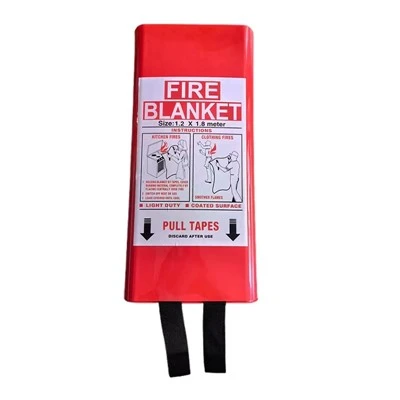
Fiberglass Fire Blanket If you’re not sure about your current extinguishers, or you need to get on a regular inspection schedule, just reach out to our team. We do supply, service, and inspections for all kinds of businesses, from small cafes to big warehouses. No pushy sales talk, just honest advice about making sure your fire gear actually works when you need it. Hit us up whenever you want to chat.
References
- National Fire Protection Association. (2022). Standard for Portable Fire Extinguishers (NFPA 10)
- Occupational Safety and Health Administration. (2021). Portable Fire Extinguisher Requirements (OSHA 1910.157)
- Dry Powder Fire Extinguisher Manufacturer’s Technical Manual (2023)
Shaoxing Weimin Fire Fighting Equipment Co., Ltd.
Shaoxing Weimin Fire Fighting Equipment Co., Ltd. is one of the most professional dry powder fire extinguishers manufacturers and suppliers in China, also supports customized service with low price. Welcome to buy discount dry powder fire extinguishers in stock here and get quotation from our factory. 5 years warranty is available.
Address: CHINA
E-mail: info@weiminfire.com
WebSite: https://www.weiminfire.com/
