Are there thermal sportswear with reflective elements? Thermal Sportswear

As a seasoned supplier in the thermal sportswear industry, I’ve encountered numerous inquiries about the existence and viability of thermal sportswear incorporating reflective elements. In this blog post, I will delve into the science, functionality, and practicality of such innovative sportswear, shedding light on its benefits and addressing the growing demand for high – performance athletic gear.
The Science Behind Thermal Sportswear
Thermal sportswear is designed to keep athletes warm during cold – weather activities by utilizing advanced fabrics and insulation technologies. The primary principle behind thermal clothing is to trap body heat close to the skin and prevent it from escaping. This is often achieved through the use of materials with high thermal resistance, such as fleece, polyester, and polypropylene.
Fleece, a popular choice for thermal sportswear, is known for its softness, breathability, and excellent heat – retention properties. It has a high loft, which means it can trap a large amount of air between its fibers. Air is a poor conductor of heat, so this trapped air layer acts as an effective insulator, keeping the body warm even in frigid temperatures. Polyester and polypropylene, on the other hand, are synthetic fibers that are lightweight, moisture – wicking, and quick – drying. They draw moisture away from the skin, preventing the chilling effect of wet clothing and maintaining a comfortable body temperature.
The Role of Reflective Elements
Reflective elements in sportswear serve a crucial safety function, especially for athletes who engage in outdoor activities during low – light conditions, such as early morning runs, evening cycling, or winter hiking. These elements work by reflecting light from external sources, such as car headlights or streetlights, back towards the source. This makes the wearer more visible to others, reducing the risk of accidents and increasing overall safety.
The reflective materials used in sportswear are typically made of glass beads or microprisms. Glass beads are tiny spheres that reflect light in all directions when illuminated, creating a bright, visible glow. Microprisms, on the other hand, are small, pyramid – shaped structures that reflect light more precisely back towards the source. This focused reflection makes the reflective areas even more noticeable, enhancing visibility at greater distances.
Combining Thermal and Reflective Properties
The combination of thermal and reflective properties in sportswear offers a unique set of benefits for athletes. For one, it allows them to stay warm and visible simultaneously during cold – weather, low – light activities. This is particularly important for runners, cyclists, and other outdoor enthusiasts who may be at risk of being involved in accidents due to poor visibility.
From a design perspective, integrating reflective elements into thermal sportswear can be achieved in several ways. One approach is to use reflective piping or trim on the seams, cuffs, and hem of the garment. This not only adds a safety feature but also gives the sportswear a stylish and modern look. Another method is to apply reflective prints or patches on the front, back, and sleeves of the clothing. These can be in the form of logos, patterns, or geometric shapes, which not only enhance visibility but also add a personal touch to the sportswear.
Manufacturing Challenges and Solutions
While the concept of thermal sportswear with reflective elements is appealing, there are some manufacturing challenges that need to be addressed. One of the main challenges is ensuring that the reflective elements do not compromise the thermal properties of the sportswear. For example, some reflective materials may have a low breathability, which can cause the wearer to feel sweaty and uncomfortable.
To overcome this challenge, manufacturers need to select reflective materials that are compatible with the thermal fabrics. For instance, using reflective materials that are made from breathable polymers or have a porous structure can help to maintain the breathability of the sportswear. Additionally, proper placement of the reflective elements can also minimize any potential impact on the thermal performance. By strategically positioning the reflective areas on the outer surface of the garment, away from the areas where heat transfer is most critical, manufacturers can ensure that the thermal and reflective functions are both optimized.
Market Demand and Trends
The market demand for thermal sportswear with reflective elements has been steadily increasing in recent years. This is driven by several factors, including the growing popularity of outdoor sports in all seasons, the increasing awareness of safety among athletes, and the demand for high – tech, functional sportswear.
Consumers are becoming more educated about the importance of safety and performance in their sportswear. They are willing to invest in products that offer both thermal protection and increased visibility. This has led to a surge in the development of innovative thermal sportswear with reflective elements by leading sportswear brands.
In addition to safety and performance, there is also a growing trend towards the aesthetics of sportswear. Athletes want their clothing to not only function well but also look good. Reflective elements can add a stylish and eye – catching element to thermal sportswear, making it more appealing to consumers.
Applications of Thermal Sportswear with Reflective Elements
Thermal sportswear with reflective elements has a wide range of applications. It is ideal for winter sports such as skiing, snowboarding, and ice skating, where athletes need to stay warm and visible in low – light conditions on the slopes. For urban athletes, such as runners and cyclists, this type of sportswear provides an extra layer of safety during early morning or evening workouts in the city.
Hikers and campers can also benefit from thermal sportswear with reflective elements. When exploring the outdoors in cold weather, visibility can be a crucial factor, especially in areas with limited lighting or in case of an emergency. The reflective elements can make it easier for rescuers to locate the wearer if necessary.
Conclusion
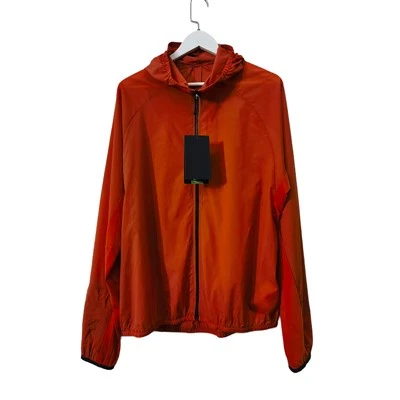
In conclusion, there is indeed thermal sportswear with reflective elements available on the market. The combination of thermal insulation and reflective properties offers a unique and valuable solution for athletes who engage in outdoor activities during cold and low – light conditions. As a supplier of thermal sportswear, I am constantly working on improving our products to meet the growing demand for high – quality, functional, and stylish sportswear.
Sun Protective Clothing If you are interested in purchasing thermal sportswear with reflective elements for your athletic team, sports club, or retail business, I encourage you to contact me for a detailed discussion. We can work together to find the perfect solution that meets your specific needs and requirements.
References
- "Technical Textiles in Sportswear" by Terry W. T. Yu
- "Safety and Visibility in Sportswear" by the International Safety Apparel Association
- "Advances in Thermal Insulation Materials" by the Journal of Materials Science
Yancheng Dezhiwang Garments Co., Ltd.
As one of the most professional thermal sportswear manufacturers and suppliers in China, we also support customized service. We warmly welcome you to wholesale bulk high quality thermal sportswear in stock here from our factory. For price consultation, contact us.
Address: No. 1, Xinglong Road, Xinqiao Village, Fucheng Subdistrict, Funing County, Yancheng City, Jiangsu Province, China
E-mail: ntchenguangxi@163.com
WebSite: https://www.dzwoutdoor.com/
